Quick Takeaway:
- Avoid dark-colored, acidic, sugary, sticky foods and drinks for 48 hours after whitening.
- Steer clear of tobacco and harsh brushing habits to preserve results.
- Use toothpaste for sensitivity and avoid hot and cold products.
- Choose safe foods like rice, leafy greens, and yogurt.
- Schedule touch-ups every 6 months and maintain oral hygiene for long-term results.
Teeth whitening is one of the most popular cosmetic treatments, delivering a brighter smile and boosting self-confidence.
According to the American Dental Association (ADA) research, teeth whitening is the most popular cosmetic dental treatment. More and more people are trying it, and the trend is powerful among people under 45.
While teeth whitening removes the stains effectively, teeth become sensitive, and whatever you eat and drink after the treatment plays a significant role in your teeth’s health.
Your smile deserves the right care- that’s where aftercare of the teeth comes in.
This guide provides key tips for protecting your newly whitened teeth, including foods to avoid, managing sensitivity, and maintaining long-term results for a healthy smile.
Immediate Aftercare (48 Hours)
Foods And Beverages To Avoid
Many people usually have a question: “Can I eat after teeth whitening?”
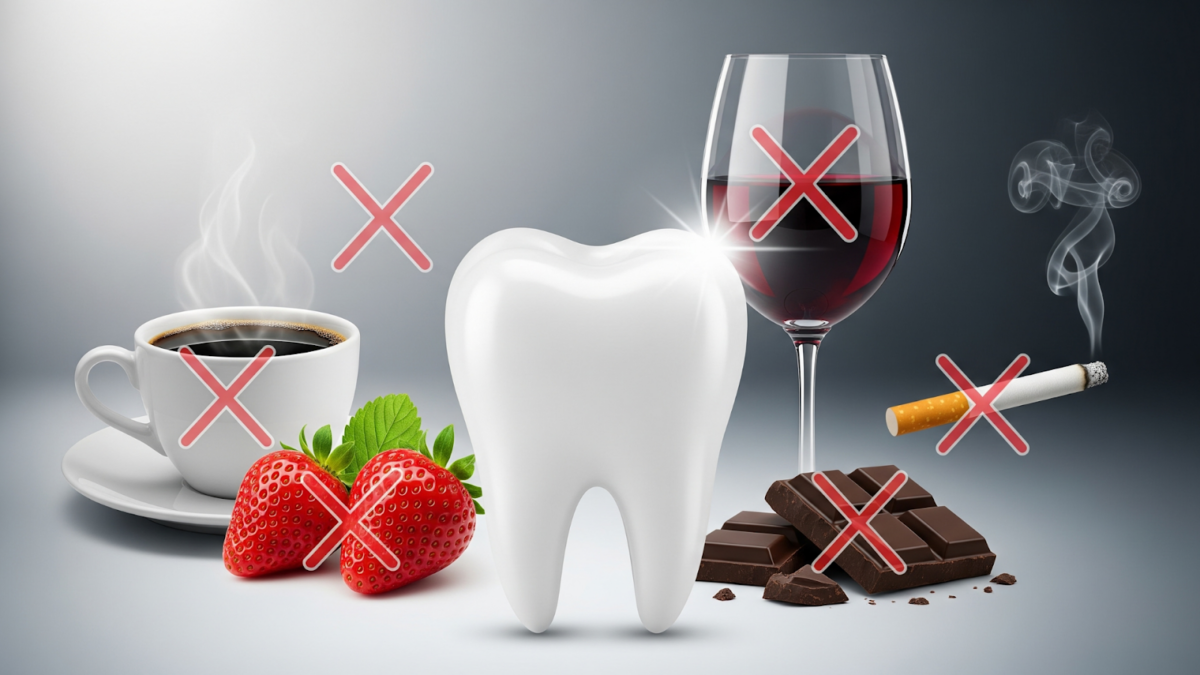
Well, the answer is yes, you can eat, but it’s important to understand what to eat. Some foods and drinks can stain the freshly whitened teeth and can cause irritation or sensitivity issues.
Here is what you should consider:
- Drinks:
Coffee, tea, red wine, and citrus juices
- Dark-Colored Foods:
Berries, soy sauce, tomato sauces, and beets
- Acidic foods:
Tomatoes, citrus fruits (lemons, oranges, grapefruits), and pickles
- Sugary or sticky foods:
Candy, chocolate, and sticky snacks like caramel
Habits To Avoid
Healthy habits preserve the brightness and overall health of the teeth. However, some habits can reduce the overall result of teeth bleaching; therefore, it’s necessary to avoid some habits to prevent discoloration and sensitivity.
Here is what you should avoid:
- Tobacco:
Smoking or taking tobacco products
Did You Know?
According to the National Library of Medicine smoking reduces teeth whitening effectiveness by approximately 35-40% compared to non-smokers.
- Harsh Brush:
Brushing with a hard toothbrush and abrasive toothpaste.
What Is Teeth Sensitivity After Whitening?
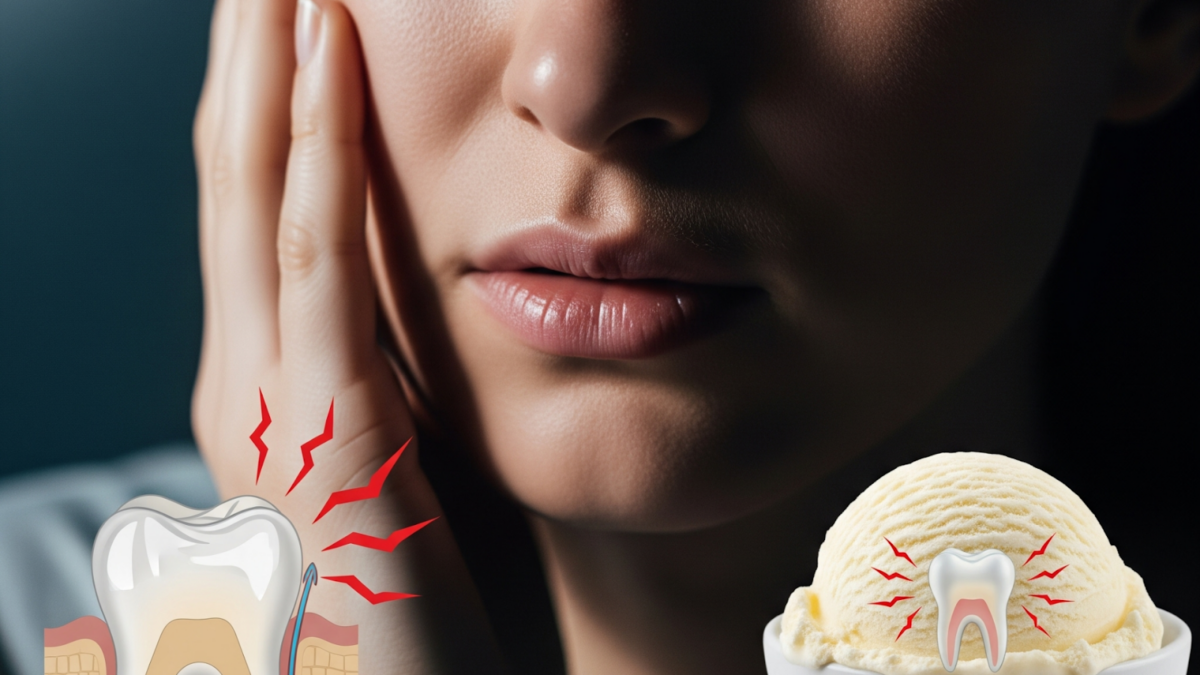
After teeth bleaching, you might feel some sensitivity, but it’s completely normal and happens for a short period. Let’s understand why this happens and how to manage it.
Why Does Tooth Sensitivity Occur?
- It happens because teeth whitening affects the hard outer layer of the tooth, i.e, enamel.
- During the treatment, the enamel pores open, which causes sensitivity to hot and cold food.
- Also, the whitening agents can temporarily irritate the nerve inside the teeth.
Sensitivity in some people lasts from 24 to 48 hours after the bleaching process, whereas some might feel it for a week.
How To Manage Sensitivity?
- Use toothpaste that eases the sensitivity by blocking the pain signals.
- Hot or cold drinks can trigger the sensitivity, so prefer lukewarm beverages with optimal temperatures.
- Avoid using a hard brush as it can affect the gums and damage your enamel.
- Use over-the-counter products like gel to reduce sensitivity.
What Are The Best Foods To Eat After Whitening
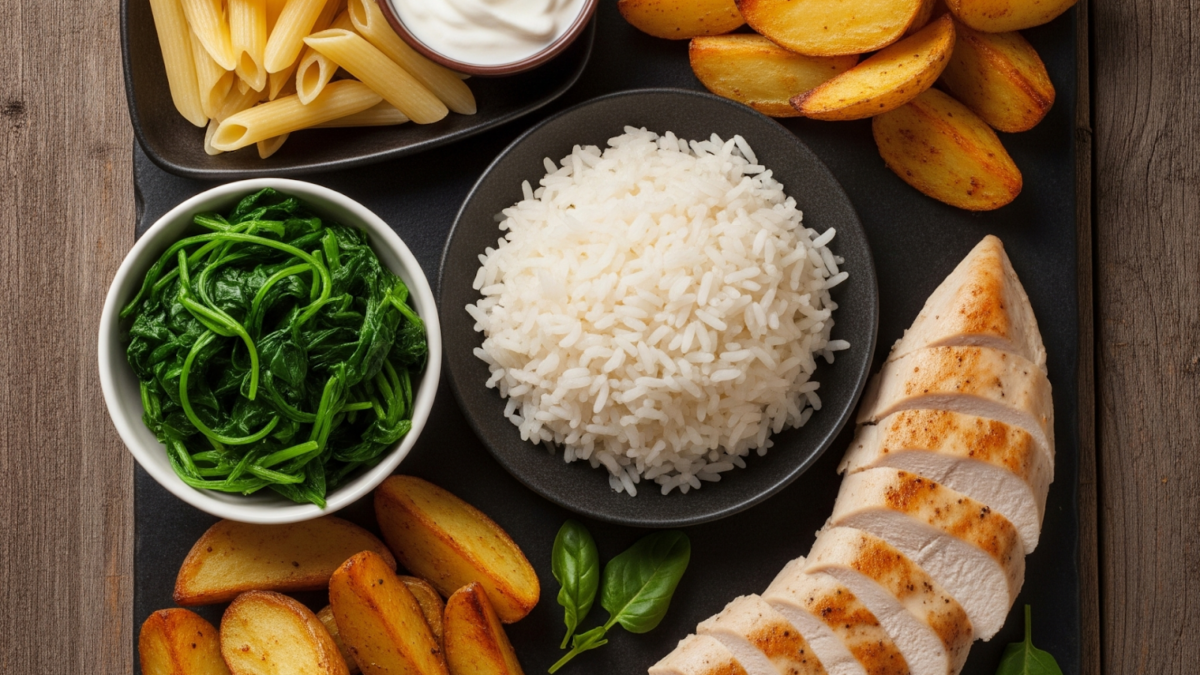
For 48 hours after teeth bleaching, it’s important to eat foods and drink beverages that do not cause staining or irritation.
Here are some safe options you can choose:
-
Rice
Why It’s Good for Your Teeth: A neutral, bland food option, easy to digest, and good for sensitivity.
What It’s Rich In: Carbohydrates, vitamin B, and magnesium
-
Green leafy vegetables
Why It’s Good for Your Teeth: Leafy vegetables like spinach and lettuce are low in acid, promote saliva production, and are high in water content.
What It’s Rich In: Vitamin A and K, fibres, calcium
-
Potatoes
Why It’s Good for Your Teeth: Light colored, soft, and easy to digest.
What It’s Rich In: Potassium and Vitamin C
-
Pasta
Why It’s Good for Your Teeth: Light colored and easy to chew.
What It’s Rich In: Carbohydrates and energy (when combined with vegetables)
-
Plain yogurt
Why It’s Good for Your Teeth: Smooth and light colored
What It’s Rich In: Calcium and Probiotics
-
Chicken
Why It’s Good for Your Teeth: Light-coloured, soft, and easy to chew.
What It’s Rich In: Calcium, Phosphorus, and Protein
These food options will not only nourish your body but also keep your teeth brighter.
Long-Term Maintenance Tips For Teeth Bleaching
- Brush your teeth twice daily to maintain oral hygiene (use sensitive toothpaste).
- Eat less food that causes stains, or drink water after consuming it.
- Limit acidic food and toxic intake.
- Schedule a regular teeth whitening touch-up every 6 months to a year.
If you need an expert dentist for a follow-up visit, Robison Dentals has you covered. We analyze your teeth stains with precision and provide personalized, top-tier teeth whitening solutions for a brighter smile. Schedule your consultation today.
Frequently Asked Questions (FAQs)
Q1: What is the rule of 7 in dentistry?
A: Rule 7 means every child should have their first comprehensive orthodontic check-up at the age of 7 years.
Q2: How long after teeth whitening can I brush?
A: Before brushing, wait 30 minutes to 1 hour after teeth whitening, so your enamel can settle smoothly.
Q3: Can I drink water with teeth whitening trays in?
A: Yes, sip plain water through a straw if needed, but avoid other drinks to protect the whitening gel.
Q4: How long do teeth pores stay open after whitening?
A: Pores in enamel stay open for about 24-48 hours post-treatment.
Conclusion
Proper aftercare is the key to maximizing your teeth whitening results. By avoiding specific foods and habits, you can protect your teeth from sensitivity and further damage. Start your post-whitening care right after the treatment for the first 48 hours.
Book an appointment with our expert dentist at Robison Dentals if you have any queries regarding teeth whitening. We focus on gentle, patient‑centered care with advanced techniques and individualized guidance.
[/fusion_text][/fusion_builder_column][/fusion_builder_row][/fusion_builder_container]