
In This Blog:
- Why Dental Health Is a Career Asset, Not Just a Health Habit
- How Dental Health Affects Your Day-to-Day Workplace Confidence
- What Dental Anxiety Actually Looks Like at Work
- Remote Work & The Video Call Smile Gap
- Why Your Teeth Look Different on Camera
- The Career Impact of Video Presence
- Comparison: Enhancing Your Digital Smile
- Your 7-Day Smile Upgrade Plan
- Phase 1: The Low-Cost Audit
- Phase 2: Professional Integration
- Phase 3: The Long Game
- What Dental Care Does for Workplace Wellness
- Frequently Asked Questions
“For professionals in Colorado Springs, CO — from downtown offices to Briargate and Old Colorado City — your smile often speaks before you do.”
Most of us think of dental care as something we do to avoid a toothache or stay healthy. But there’s a second layer, one that shows up at job interviews, salary negotiations, and every performance review you’ll ever have.
Here’s a fact that surprises most people: you form a first impression in about seven seconds. In those seven seconds, before you’ve said a word about your qualifications or experience, the person across from you—a recruiter, a client, a manager—has already picked up on your teeth, your posture, and your eye contact, not because they’re being shallow. But because that’s just how human brains work.
That doesn’t mean you need a Hollywood smile to succeed. It means that obvious signs of dental neglect, like visible decay, persistent bad breath, or heavily stained teeth, create a subconscious friction that has nothing to do with how good you actually are at your job. And that friction costs you.
Why Dental Health Is a Career Asset, Not Just a Health Habit
According to the CareQuest Institute for Oral Health, untreated dental disease leads to an estimated $45 billion in lost productivity each year in the United States. Adults collectively miss about 183 million work hours because of their own oral pain or unexpected dental visits, along with another 60 million hours spent caring for children or other adults experiencing dental problems.
Dental pain degrades sleep quality, elevates cortisol (your stress hormone), reduces patience and emotional regulation, and disrupts concentration — all of which shape how your manager and colleagues perceive your reliability and disposition every day. Many professionals in Colorado Springs offices don’t connect a recent streak of difficult meetings or low energy to the tooth that’s been nagging for months. Don’t wait until it becomes urgent.
There’s a more important story than “looking good in interviews.” It’s about what happens to your behavior when you feel good about your smile.
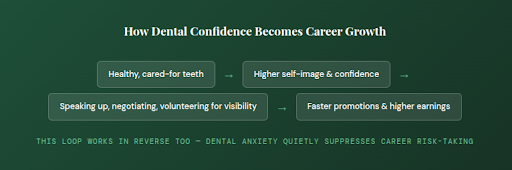
When you’re self-conscious about your teeth, you do small things—covering your mouth, avoiding eye contact at close range, turning down the client-facing role— that add up to a meaningful career gap over time.
Research backs this up. Women in client-facing or leadership roles report up to 18% higher perceived authority when they feel confident about their smile. Leaders with well-maintained dental health are rated 25% more approachable by their teams, which is directly tied to how well those teams perform and how likely they are to stay.
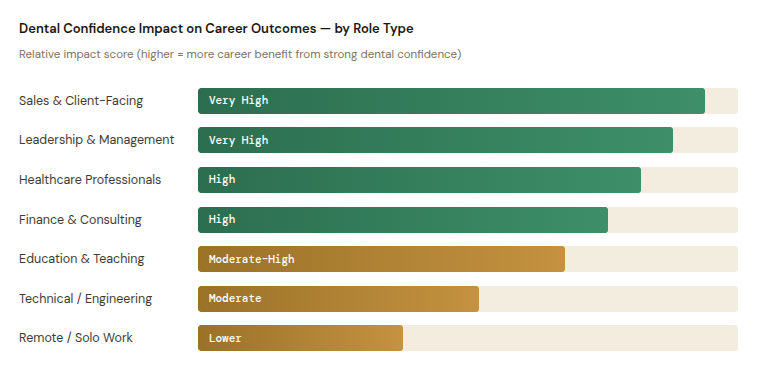 The question isn’t whether your smile affects your career. The research is settled on that. The real question is: what are you going to do about it?
Also Read: 13 Amazing Teeth Whitening Tips Straight From A Dentist
The Halo Effect — Why One Good Thing Changes Everything
There’s a well-documented psychological phenomenon called the Halo Effect: when someone sees one positive trait in you, their brain automatically upgrades their perception of your other, unrelated traits too.
A healthy smile triggers judgments of intelligence, discipline, trustworthiness, and competence, none of which your smile actually tells anyone about. But that’s how perception works, and being aware of it lets you use it intentionally.
How Dental Health Affects Your Day-to-Day Workplace Confidence

If you’re already employed and something about your dental health makes you self-conscious, it’s showing up in your work every single day, usually in ways you haven’t named yet.
What Dental Anxiety Actually Looks Like at Work
| The Habit | What’s Really Happening | The Career Cost |
|---|---|---|
| Covering your mouth when you laugh or speak | Subconscious protection from being noticed | Perceived as closed, less warm, less engaging |
| Avoiding close one-on-one conversations with managers | Breath or tooth anxiety keeping you at a distance | Missing the informal relationship-building that leads to promotions |
| Turning down client-facing roles or speaking opportunities | Fear of visibility and close scrutiny | Staying invisible — and underpaid — longer than necessary |
| Not pushing for the salary negotiation | Low confidence affects the willingness to advocate for yourself | Years of below-market pay |
| Staying off camera on video calls | Camera-aversion due to how teeth look on screen | Read as disengaged or low-seniority by managers |
None of these are dramatic career-ending moves. That’s what makes them dangerous; each one is small, but they compound over months and years into a real earnings and advancement gap that has nothing to do with your actual ability.
The Hidden Connection Most People Miss
Many professionals don’t connect a rough stretch of difficult meetings, low energy, or a poor performance review to the dental problem they’ve been quietly ignoring for months. Pain elevates cortisol, disrupts sleep, and shortens patience — all of which shape how your colleagues and managers read you every single day.
Remote Work & The Video Call Smile Gap
If you’ve ever thought “my teeth look fine in the mirror but terrible on Zoom”, you’re not wrong, and it’s not your teeth. It’s physics.
Why Your Teeth Look Different on Camera
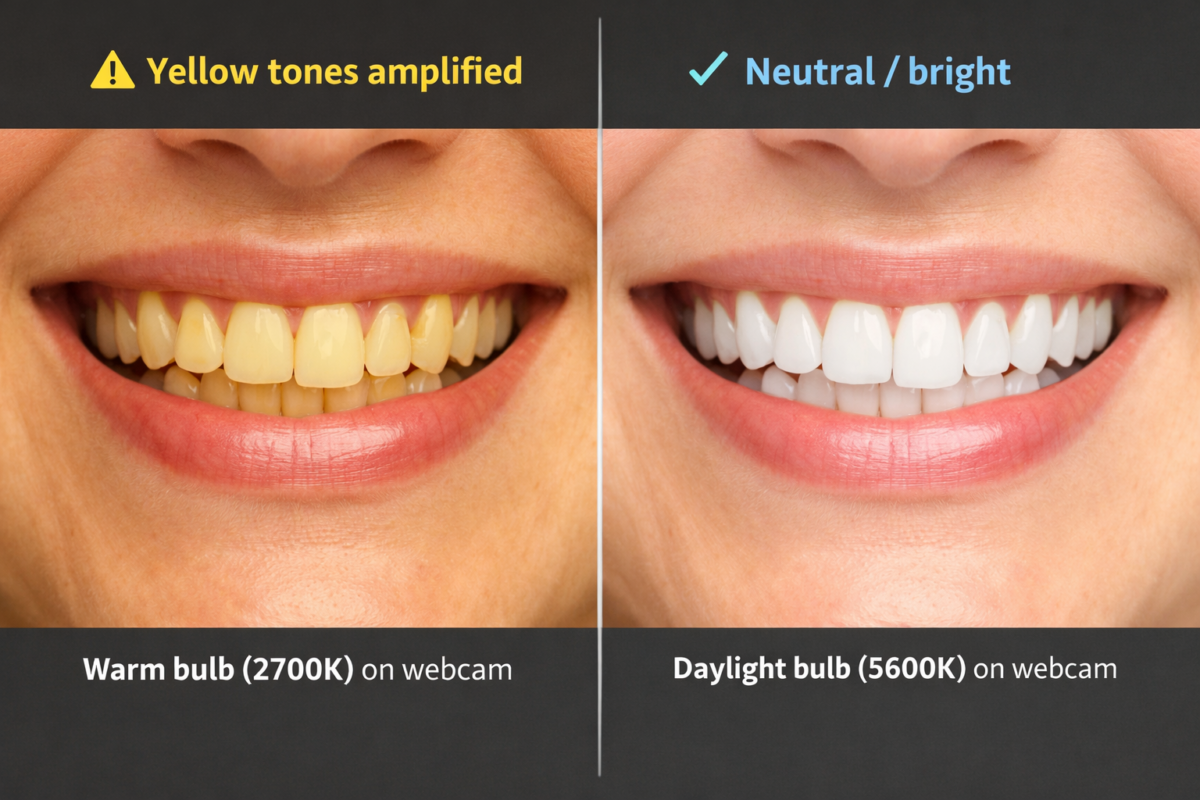
Most homes and offices use warm-toned bulbs—the amber-ish glow of incandescent or standard LED lighting, rated around 2700K–3000K on the color temperature scale. Your eyes adapt to this automatically and see your teeth as their true color.
A modern HD or 4K webcam doesn’t adapt the way your eye does. It captures and amplifies warm tones, particularly yellows, so what looks neutral in your bathroom mirror renders as notably yellow or grey on screen. This is a lighting physics problem, not a dental hygiene failure.
The Career Impact of Video Presence
| Metric | Impact Detail |
|---|---|
| Manager Perception | 80% of managers factor video presence and visible energy into promotion readiness. |
| The “Invisible” Cost | Consistently staying off-camera is often interpreted as disengagement or low seniority. |
| The Confidence Gap | Dental anxiety or self-consciousness about one’s smile leads to “muting” your visual presence, compounding over time. |
Comparison: Enhancing Your Digital Smile
Choosing the right method depends on your timeline, budget, and the level of professional polish you require.
| Approach | How It Works | Pros | Cons |
|---|---|---|---|
| Fix Your Lighting | Switch to daylight (5000K+) bulbs at eye level. | Free to ~$25; Instant; Permanent setup fix. | Does not address actual tooth color or stains. |
| Video Filters | Software applies real-time cosmetic “touch-ups.” | Zero cost; Immediate “fix.” | Glitches during movement; looks “uncanny”; high risk in senior/executive calls. |
| At-Home Kits | Over-the-counter peroxide trays or strips. | $30–$60; Convenient and private. | Uneven results; tooth sensitivity; takes weeks to see progress. |
| Professional Whitening | Dentist-applied treatment with custom-fit trays. | Fastest & most even results; Safe; Long-lasting; Professional grade. | Higher upfront investment; requires an office appointment. |
Your 7-Day Smile Upgrade Plan
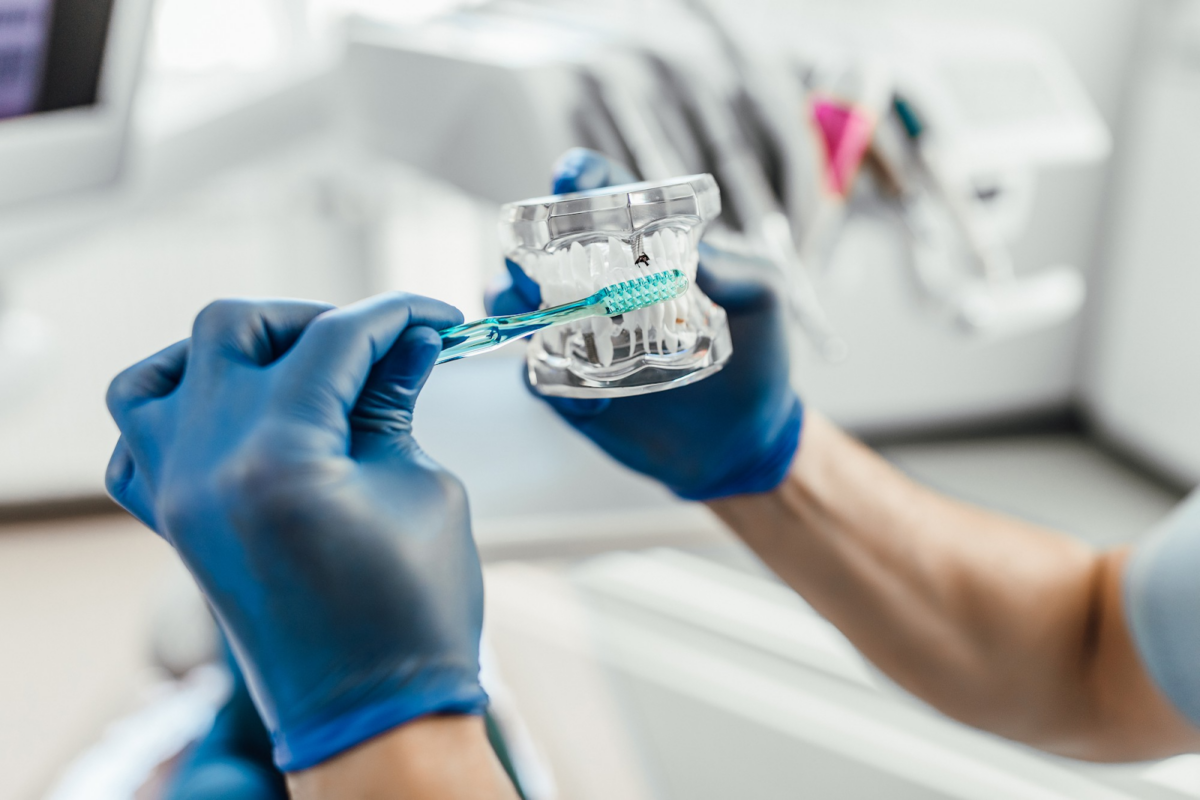
You don’t need to overhaul everything at once. This plan starts free, builds gradually, and places the highest-impact (and highest-cost) steps at the end, so you only spend money once you’ve already seen easy wins.
Phase 1: The Low-Cost Audit
- Day 1: The Honest Self-Audit (Free). Take a raw photo in natural light. Rate your meeting confidence (1–10). Identify if you subconsciously mask your smile during calls.
- Day 2: Fix Your Lighting (Free–$25). Proper lighting is the highest-ROI immediate change for remote presence.
- Day 3: Optimize Daily Routine ($15–$30). Add a tongue scraper, floss before brushing, and switch to a fluoride whitening toothpaste. ff
Phase 2: Professional Integration
- Day 4: Move beyond mints. Use oral probiotics (like L. reuteri lozenges) to balance your microbiome—the 2026 standard for client-facing confidence.
- Day 5: Consult with a professional dentist in Colorado Springs. Avoid patchy DIY kits before big meetings; get a professional plan for predictable whitening.
- Day 6: Schedule a professional cleaning. It removes surface stains no brush can touch, perfect for an upcoming interview or review cycle.
Phase 3: The Long Game
- Day 7: Reassess & Commit Re-take your photo and compare your confidence score.
Also Read: 7 Cosmetic Dental Treatments for the Most Common Smile Problems
What Dental Care Does for Workplace Wellness
In 2026, forward-thinking employers and HR teams are beginning to include dental confidence under broader professional wellness programs. More practically: many employer dental plans cover more than people realize, including preventive cleanings, some restorative work, and in some cases bonding.
Before assuming a procedure is out-of-pocket, it’s worth a conversation with your HR team about what your benefits actually cover.
For patients at Robison Associates in Colorado Springs, we also offer flexible emoji remove financing options through CareCredit, so that cost isn’t the reason you delay care that would genuinely improve your daily life at work.
Frequently Asked Questions
Is the best teeth whitening treatment done at a dentist or at home?
Professional whitening is more effective, faster, and safer than any over-the-counter option. At-home strips and kits use lower concentrations of peroxide, which means slower results, uneven coverage, and a higher risk of sensitivity if used incorrectly. A professional teeth whitening dentist uses clinical-grade treatments tailored to your tooth type, with protective measures that prevent sensitivity.
I have a job interview in three days. What is the fastest thing I can do about my teeth?
A professional scale and polish is often available within 24–48 hours at your nearest dental clinic and provides the most immediate visible improvement by removing years of surface staining. Beyond that: fix your lighting if it’s a video interview, start tongue scraping morning and night to get rid of bad breath.
Does bad breath really affect sales and professional performance?
More than most people expect. Sales research shows that “breath anxiety”, where the professional is preoccupied with whether their breath is acceptable, reduces active speaking time in face-to-face meetings by up to 30%. Less speaking means less relationship-building, less objection-handling, and lower closing rates. Beyond sales, breath anxiety keeps professionals from initiating the informal hallway conversations that actually drive career advancement.
What dental treatments give the most career ROI?
In order of cost-effectiveness:
(1) Scale and polish — lowest cost, most immediate visible improvement, removes surface staining no home routine can touch.
(2) Professional teeth whitening — significant confidence boost, lasts 1–3 years with maintenance, single appointment.
(3) Cosmetic bonding — corrects chips, gaps, or uneven edges in one visit, no drilling required, lasts 5–7 years.
(4) Veneers — most dramatic transformation, highest investment, longest-lasting.
I avoid the dentist because of anxiety. What should I do?
Dental anxiety is one of the most common reasons people delay care, and it’s almost never about laziness. It comes from past painful experiences, embarrassment, or just dreading the environment. At Robison Associates, Dr. Robison and her team take this seriously. The practice is designed specifically for comfort. Many anxious patients find that their first visit is far easier than they anticipated. Call ahead and tell us about your anxiety; we’ll make sure your first appointment feels manageable.
How do I know which cosmetic dentistry option is right for me?
It depends on what’s specifically bothering you, your timeline, and your budget. Discolouration only? Whitening is your most efficient path. Chips or small gaps? Bonding is low cost, done in one visit, and looks entirely natural. More significant changes to shape or overall smile? That’s where a full smile makeover consultation makes sense.



Leave A Comment
You must be logged in to post a comment.