Oral Cancer Screening in Colorado Springs, CO
Oral cancer, also known as mouth cancer, starts in the mouth or throat and can affect areas like the cheeks, back of the mouth, or tonsils. Early detection is crucial as it leads to higher survival rates, reduces the need for invasive treatments, preserves quality of life, and prevents the spread of cancer.
What Is Oral Cancer Screening?
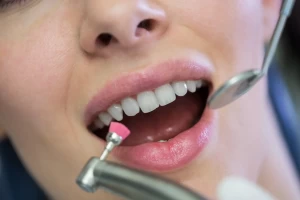
Oral cancer screening is a routine, non-invasive procedure that helps detect signs of cancer early, ensuring that you can take proactive steps toward preserving your health. It is usually part of your regular dental check-up and doesn’t require any special preparation. The process is quick, painless, and could make a big difference in catching any issues before they become serious. Oral cancer can develop unnoticed, so regular oral cancer screenings are an important part of preventive care.
Why Oral Cancer Screening Is Important
Early Detection Saves Lives
Oral cancer screening helps detect signs of mouth cancer in its earliest stages, when it is more treatable and the chances of successful treatment are higher.
Comprehensive Health Monitoring
The screening goes beyond checking for just visible signs of cancer. They include a thorough examination of the mouth, lips, tongue, and throat to help identify any abnormal growths, sores, or lesions that might not be immediately noticeable.
Risk Factor Identification
Professional screening can identify patients at a higher risk of oral cancer due to factors such as tobacco use, alcohol consumption, or HPV infection. Early detection leads to better prevention strategies and more personalized care as per the patient’s specific needs.
Peace of Mind and Proactive Care
Undergoing regular oral cancer screening offers peace of mind, knowing that any potential issues will be addressed early. This proactive approach not only focuses on cancer detection but also promotes overall oral health.
Types of Oral Cancers
Signs & Symptoms of Oral Cancer
The most common signs & symptoms of oral cancer include:
What Causes Oral Cancer?
Certain factors can increase your risk of oral cancer. But don’t worry—regular screenings and healthy lifestyle choices can help minimize those risks.
- Tobacco use, including vaping, dipping, spitting, smoking, and chewing tobacco
- Drinking excessive amounts of alcohol
- HPV, or human papillomavirus
- Most susceptible to people older than 55 years
- Poor nutrition, including a diet low in fruits and vegetables
- Oral cancer runs in your family
- People with a history of significant sun exposure, which increases the risk of lip cancer


What Happens During an Oral Cancer Screening?
During your oral cancer screening, we will conduct a thorough visual and tactile examination of your mouth, gums, tongue, and throat, while making sure you are comfortable every step of the way. The screening is quick, non-invasive, and typically takes just a few minutes. Our team will carefully look for any signs of abnormal growths, sores, red or white patches, or lumps, which could indicate the presence of oral cancer. Our expert doctor will also feel your neck and jaw for swollen lymph nodes or any unusual lumps, as these can sometimes signal early stages of cancer.
If anything suspicious is found, we will guide you through the next steps, which may include a biopsy or further diagnostic testing with compassion and care.We highly recommend scheduling an oral cancer screening every six months, as early detection is vital for successful treatment. If you have specific risk factors or concerns, Dr Letha Robison and our team are here to offer personalized advice, ensuring you receive the best care possible.
Oral Cancer Prevention
Avoid Risk Factors
- Quit smoking and chewing tobacco
- Limit alcohol consumption
Increase Protective Habits
- Good oral hygiene (brushing and flossing regularly)
- Self-checks of your mouth at least once a month, and have a healthcare professional conduct an oral exam regularly
- Eat a healthy diet including more fish, eggs, vegetables, and fruits
Other Tips
- Protect yourself from too much sun exposure to avoid lip cancer
- Regular check-ups with your dentist can help spot early signs of oral cancer
- Ask your healthcare provider about ways to lower your risk of oral cancer

Oral Cancer Screening in Colorado Springs, CO
At Robison Associates Dentistry in Colorado Springs, we prioritize your overall wellness by incorporating comprehensive oral cancer screenings into your regular dental exams. Led by Dr Letha Robison, recognized as one of America’s Top Dentists since 2003, ensure your experience is as smooth and stress-free as possible. Our oral cancer screening in Colorado Springs, CO, is designed to identify early signs and symptoms of oral cancer and pre-cancerous conditions. We assess the soft tissues of your mouth, lips, tongue, cheeks, and throat for any abnormalities by utilizing advanced diagnostic tools and a meticulous visual examination.
We understand that dental visits can be a source of anxiety for some patients. To alleviate this, our all-female professional team creates a welcoming and comfortable environment, ensuring each patient feels at ease during their visit. Our spa-like office amenities, including warm blankets and neck pillows, contribute to a relaxing experience. Regular oral cancer screenings are a vital component of preventive dental care. By choosing Robison Associates Dentistry, you are taking an active step in protecting your health, with the comfort, care, and expertise you deserve. Trust us for oral cancer screenings to detect irregularities early on.