

Key Takeaways:
- Porcelain veneers are better for long-term results, lasting 10–15 years with a more natural look.
- Composite veneers are better for affordability and speed, usually completed in one visit.
- Porcelain offers superior durability and stain resistance compared to composite.
- Composite veneers are easier and cost less to repair or adjust.
- The best option depends on your budget, desired longevity, and aesthetic expectations.
The demand for cosmetic dentistry is surging, with the global market projected to grow from $49.73 billion in 2026 at a 12.6% CAGR. More people want quick, effective solutions for chips, discoloration, gaps, and uneven shapes. Veneers deliver those results without extensive orthodontic treatment.
Two options dominate the conversation. Porcelain veneers and composite veneers. Both improve the look of teeth, but they differ in cost, durability, and overall results.
The big question is this: Should you choose porcelain veneers or composite veneers?
This guide compares cost, durability, appearance, procedure, and long-term value so you can decide confidently which veneer option fits your smile goals.
What Are Dental Veneers?
Dental veneers are thin shells bonded to the front surface of teeth. They are custom-designed to improve your smile’s appearance. Dentists use them for purely cosmetic corrections, not structural repairs.
Veneers are an excellent solution for a range of common dental concerns. They can transform a smile without the need for braces or lengthy procedures.
- Stained or discolored teeth that whitening cannot fix
- Chipped or cracked tooth edges
- Small gaps between teeth
- Uneven or irregular shapes
- Mild misalignment or crowding
While veneers serve the same purpose, the materials used make a big difference in cost, lifespan, and final aesthetics.
Porcelain Veneers vs Composite Veneers: Key Differences
| Category | Porcelain Veneers | Composite Veneers |
|---|---|---|
| What They Are | Thin shells made from medical-grade ceramic that are custom-fabricated in a professional dental lab and bonded to the front of teeth. | Tooth-colored composite resin, sculpted directly onto the teeth by a dentist. |
| How They Are Applied | Created in a dental lab and permanently bonded to the teeth. | Applied and shaped directly on the teeth during the dental appointment. |
| Appearance | Reflects light similar to natural enamel, giving a lifelike and radiant look. | Natural-looking but less translucent than porcelain. |
| Durability | Highly durable under normal use. | Durable but less strong than porcelain. |
| Stain Resistance | Resistant to staining from food and drinks. | More prone to staining over time. |
| Treatment Time | Usually requires multiple visits due to lab fabrication. | Usually completed in a single visit. |
| Repairability | Harder to repair if damaged and may require replacement. | Easier to repair if chipped. |
| Average Lifespan | Typically 10–15 years or longer with proper care. | Typically 5–8 years. |
| Best For | Patients seeking the most natural and long-lasting cosmetic result. | Patients wanting a quicker and more affordable cosmetic improvement. |
Takeaway:
Porcelain excels in durability and aesthetics. Composite veneers are faster and more affordable. The right choice depends on your goals, budget, and how long you want your results to last.
Cost Comparison: How Much Do Porcelain vs Composite Veneers Cost?
| Cost Category | Composite Veneers | Porcelain Veneers |
|---|---|---|
| Average Cost Per Tooth | $250 – $1,500 | $900 – $2,500+ |
| Typical Example Cost (Per Tooth) | Around $800 in many cases | Around $1,800 in many cases |
| Initial Investment | Lower upfront cost, making it more accessible for many patients | Higher upfront investment due to custom fabrication |
| Laboratory Fees | None. Veneers are sculpted directly on the tooth by the dentist. | Included in the price because veneers are fabricated in a professional dental lab. |
| Total Cost for Multiple Teeth | A full smile makeover remains relatively affordable compared with porcelain. | Treating multiple teeth significantly increases the overall cost because each veneer is custom-made. |
| Estimated 20-Year Cost (Example Per Tooth) | About $2,400–$2,500 if replacements are needed over time | About $1,800 if the veneer lasts the full lifespan without replacement |
| Key Cost Advantage | Lower entry price and single-visit treatment reduce initial expense | Long-term value may be better due to durability and fewer replacements |
Appearance: Which Veneers Look More Natural?
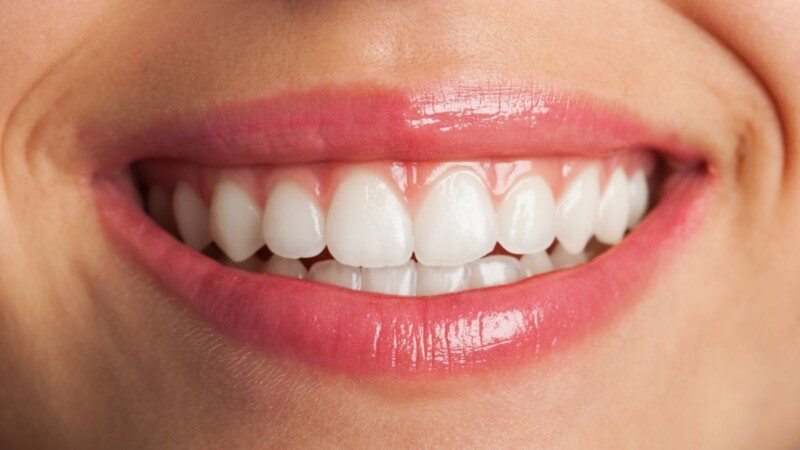
A confident smile can change everything. Yet many people feel unhappy with stained, chipped, or uneven teeth. Dental veneers have become one of the most popular cosmetic treatments for creating a brighter and more balanced smile.
| Porcelain Appearance | Composite Appearance |
|---|---|
|
|
Porcelain vs composite veneers comes down to this: porcelain looks more convincingly real, especially under different lighting conditions. Composite can look great at first but may require polishing or replacement to maintain that initial result.
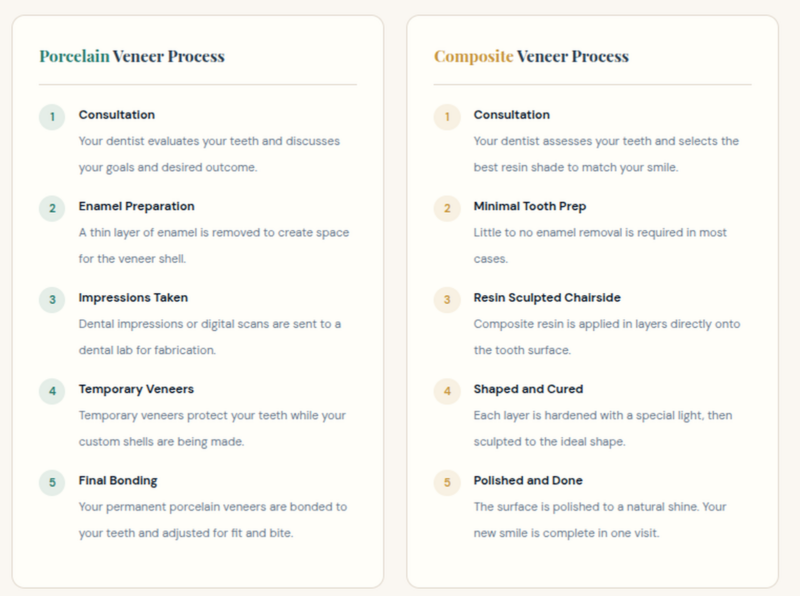
Treatment Process: How the Procedures Differ
The path to your new smile looks quite different depending on which option you choose. Knowing what to expect helps reduce anxiety and plan your schedule accordingly.
Maintenance and Care
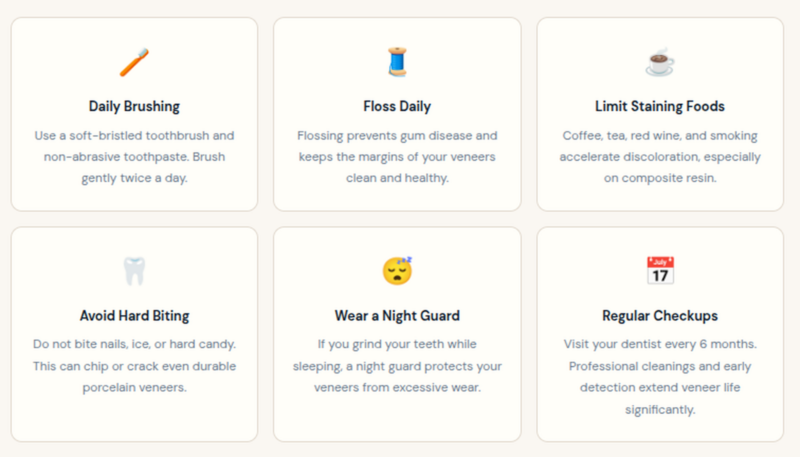
How you care for your veneers directly affects how long they last. Good daily habits make a significant difference regardless of which option you choose.
Pros and Cons of Each Option
Here is a quick summary of the advantages and disadvantages of both veneer types. Use this to weigh up what matters most to you.
| Porcelain Veneers | Composite Veneers |
|---|---|
Advantages
|
Advantages
|
Disadvantages
|
Disadvantages
|
Who Should Choose Which Veneer?
Not every patient has the same goals or budget. The best veneer option is the one that matches your specific situation and expectations.
Choose Porcelain If You…
Choose Composite If You…
Your Smile, Your Decision
Both porcelain veneers and composite veneers can deliver a beautifully improved smile. The difference lies in how long that result lasts, how much it costs, and how natural it looks over time.
If you are still unsure which is right for you, the best next step is speaking with an experienced cosmetic dentist. They will assess your teeth, discuss your expectations, and recommend the most suitable treatment for your unique smile.
If you are looking for trusted, expert cosmetic dental care, the team at Robison Associates is ready to help you explore your options with honest, personalized guidance.