Key Takeaway:
- In-office teeth whitening removes deep stains quickly
- Results can be 5–10 shades brighter in one session
- Safe and supervised by a dentist for better results
- Costs range from $300 to $1,500, depending on treatment
- Options include LED, laser, and chemical whitening
- Results can last 1–3 years with proper care
- Some sensitivity may occur, but it fades quickly
Why do my teeth look yellow even though I brush every day?
The answer is simple: brushing only removes surface (extrinsic) stains, but the real color of your smile comes from the dentin layer beneath your enamel. Coffee, wine, smoking, and age can all cause deep stains that DIY products just can’t reach.
That’s where professional in-office teeth whitening comes in. In just one session, a dentist can lift intrinsic stains and brighten your teeth by up to 10 shades, giving you a youthful, confident smile instantly.
But many people also wonder: Is teeth whitening safe, and do people really choose it?
Here’s a quick reality check:
According to Fortune Business Insights, the global teeth whitening market was valued at USD 8.93 billion in 2025 and is projected to grow to USD 14.31 billion by 2034, with the U.S. market reaching USD 2.62 billion by 2032.
This proves that whitening is effective and widely trusted. In-office dental whitening targets stains deep beneath the enamel, giving immediate, noticeable results.
This blog will guide you through the advantages, costs, and modern options for professional teeth whitening so you can make an informed choice.
What is In-Office Teeth Whitening?
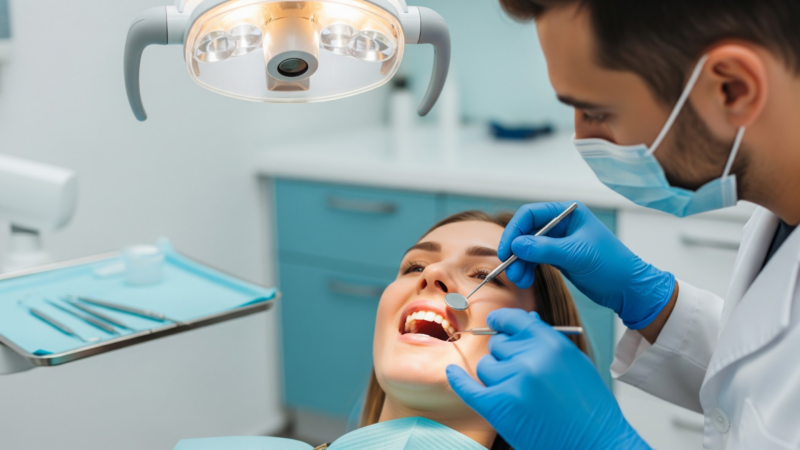
Your ConIn-office teeth whitening is a clinically supervised cosmetic procedure designed to chemically lift deep-seated stains in roughly 60 minutes. While over-the-counter products only scratch the surface, professional treatments utilize medical-grade oxidizing agents—typically hydrogen peroxide (H2O2) at concentrations between 25% and 40%—to penetrate the porous enamel and reach the dentin layer.
- How It Works: The dentist puts a protective gel on your gums. The whitening gel is then activated using a special light—like a blue LED or new violet LED—which helps break down stains quickly and safely without overheating your teeth.
- Safety Considerations: A dentist ensures the chemicals don’t harm your gums or lips. You might feel brief sensitivity, but it usually goes away within a day.
- Best Candidates: Ideal for adults with stains from age, coffee, tea, or smoking. Not recommended for pregnant women, kids under 16, or anyone with untreated cavities or gum problems.tent Goes Here
Advantages of In-Office Whitening
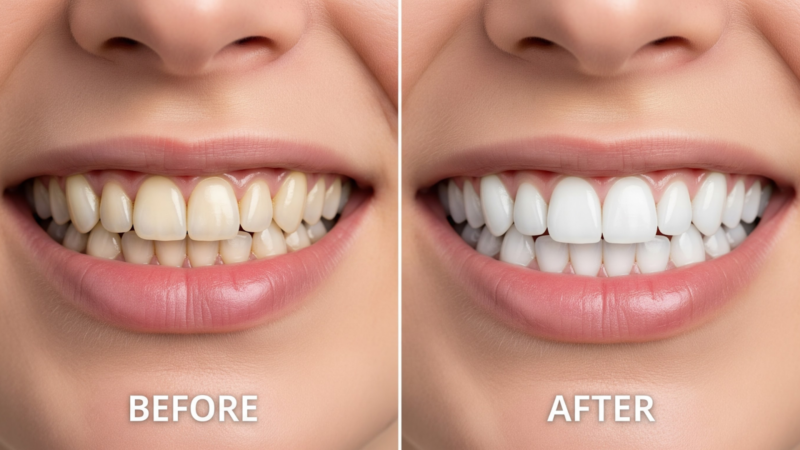
Let’s break down what makes in-office whitening such a popular choice:
Speed and Effectiveness:
Unlike at-home kits that take weeks, in-office teeth whitening shows results almost immediately. In just one 60–90 minute session, teeth can become 5 to 8 shades brighter. Thanks to new enzyme technology, some sessions now take only 15 minutes.
Safety and Controlled Sensitivity:
The main reason people skip whitening is the fear of pain. Today, dentists adjust the strength of the whitening gel based on how sensitive your teeth are. For extra comfort, experts recommend using a desensitizing toothpaste with 5% potassium nitrate for two weeks before your session.
Did you know?
Many people worry about teeth whitening damaging enamel. Learn more about how professional treatments protect your enamel here!
Tailored for Your Unique Smile
Every smile is different. Your dentist figures out if stains are from coffee, wine, or deeper causes like medications or injury, then chooses the best method—LED Zoom! or chemical Opalescence Boost.
Long-Lasting Results:
Professional whitening works deeper than DIY strips, and following a white diet plus occasional touch-ups can keep your smile bright for 1–3 years.
What is the white diet for teeth whitening?
A white diet focuses on eating foods that won’t stain your newly whitened teeth. It usually includes white or light-colored foods like rice, pasta, chicken, fish, cauliflower, yogurt, bananas, and milk, helping your smile stay bright longer.
What Are the Modern Options for In-Office Teeth Whitening?
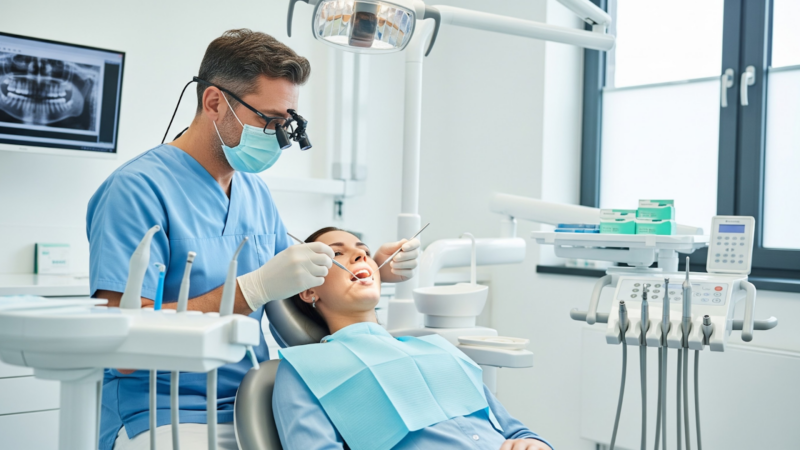
When you visit a clinic for dental bleaching, you aren’t just getting a one-size-fits-all treatment. Modern teeth whitening in office bleaching utilizes specific technologies tailored to your enamel thickness and stain depth.
Zoom! Whitening (Blue LED-Activated)
- Zoom! whitening is widely trusted for in-office dental bleaching.
- The Science: A 25% hydrogen peroxide gel is activated by a proprietary blue LED lamp.
- The Advantage: The LED triggers oxygen radicals that break down stains across the entire smile simultaneously.
- Result: Most patients see up to 8 shades brighter in 45–60 minutes, usually delivered in three to four 15-minute cycles.
Laser Teeth Whitening (Precision Targeting)
- Laser whitening is a premium choice for professional teeth bleaching.
- The Science: A focused laser beam activates the whitening gel on each tooth individually, rather than across the whole smile.
- The Advantage: Ideal for stubborn, localized stains or uneven discoloration. Precision comes at a slightly higher cost but delivers excellent results.
Opalescence Boost (Chemical Activation for Sensitivity)
- Opalescence Boost is perfect for those sensitive to heat-generating lights.
- The Science: This chemically activated “power bleaching” system works without any LED or laser.
- The Advantage: Contains PF (Potassium Nitrate + Fluoride). Potassium nitrate reduces sensitivity, and fluoride strengthens enamel.
- Result: Gentle on sensitive teeth yet delivers dramatic whitening in about an hour.
Emerging 2026 Tech: Violet LED and Biocatalysts
- The latest innovations focus on speed and safety.
- Violet LED: Activates peroxide more efficiently than blue light. Shade changes can stay stable up to 12 months.
Biocatalysts (Horseradish Peroxidase): Enzymes speed up whitening. A 15-minute session can match a traditional 45-minute treatment, with minimal enamel irritation.
Quick Comparison: In-Office Whitening Technologies
| Technology Type | Wavelength/Mechanism | Duration | Sensitivity Risk | Shade Improvement |
|---|---|---|---|---|
| Blue LED (Zoom) | 450 – 490 nm | 45 – 60 Min | Moderate | Up to 8 Shades |
| Violet LED | 405 – 410 nm | 30 – 45 Min | Low | 5.20 $Delta E$ |
| Focused Laser | Specific Laser Wave | 60 – 90 Min | Low to Moderate | High Precision |
| Biocatalyst (Peroxidase) | Horseradish Peroxidase | 15 Min | Very Low | Equal to 45m standard |
How Much Does In-Office Teeth Whitening Cost?
The in-office bleaching cost can vary depending on your goals. On average, you can expect to pay between $300 and $1,500 per session, though the national average for a professionally supervised visit sits at approximately $508.
Several factors influence the final professional tooth whitening cost:
- Technology: Advanced laser systems typically command a higher price (often reaching $1,500) compared to standard LED-activated systems.
- Stain Severity: Deep, intrinsic stains may require multiple sessions or specialized boosters.
- Location: Major cities often see prices 15–30% higher than rural areas due to clinical overhead.
For the most transparent pricing, tools like FAIR Health Consumer allow you to search for the average “allowed amount” in your specific zip code.
Why Do Teeth Feel Sensitive After Teeth Whitening?
Sensitivity is one of the most common concerns with professionals in office teeth whitening.
According to clinical research hosted by the National Institutes of Health (NIH), temporary tooth sensitivity is the most common side effect of whitening, affecting between 43% and 80% of patients after treatment.
Sensitivity happens because the whitening gel opens tiny pores in your teeth. These pores help remove deep stains but can also make nerves more sensitive. The effect is temporary and usually fades within a few days.
Pro Tip:
Start using a toothpaste with 5% potassium nitrate two weeks before your treatment.
It helps block nerve signals and reduces sensitivity.
You can also ask your dentist about PAP-based whitening, a gentler, peroxide-free option.
Who Should Consider In-Office Whitening?
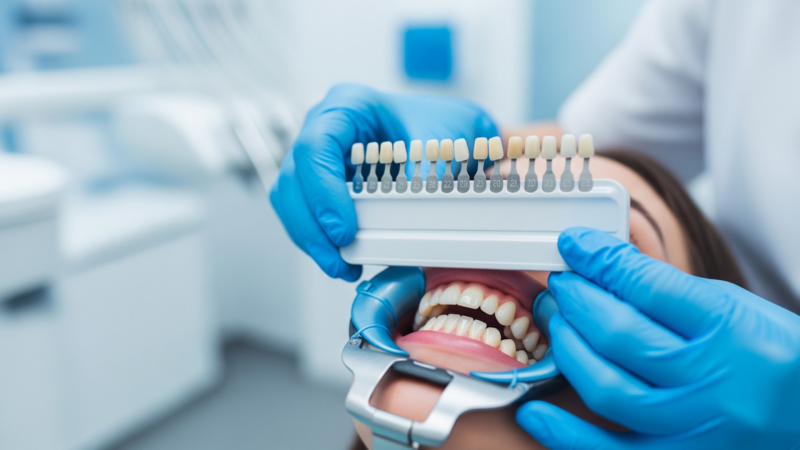
- People with Stubborn Stains: If coffee, tea, wine, or smoking has left deep stains, this treatment can help. It works better than most at-home products.
- Those Who Want Safe, Expert Care: A teeth whitening dentist does the treatment for you. They protect your gums and make sure everything is done safely.
- People with Mild Tooth Sensitivity: If your teeth are a little sensitive, this can still work for you. Dentists use special gels and techniques to reduce discomfort.
- People Who Want Instant Results: If you don’t want to wait weeks, this is a great choice. Professional in office teeth whitening works in about an hour.
Long-Term Maintenance Tips
Right after in-office dental bleaching, your teeth are more likely to absorb stains. So, what you do next really matters.
- Try the straw strategy. Drinking through a straw helps limit contact between staining liquids and your teeth.
- Plan for touch-ups every 6–12 months. This keeps your results fresh and long-lasting after your in-office dental bleaching.
- Acidic items like soda and citrus can weaken enamel. Weaker enamel stains more easily.
- Your teeth may be sensitive after treatment. Stick to lukewarm foods for a couple of days.
Wrapping It Up
A professional in office teeth whitening goes beyond basic whitening methods. It’s a clinically supervised treatment that delivers quick and even results. Your dentist adjusts the process to suit your teeth and comfort level.
A brighter smile can help you look fresh and feel confident. Ready to make a change? Book a consultation with us at Robison Associates. We offer advanced care in a calm, spa-like setting. Your comfort comes first. We use safe and effective methods tailored to your dental needs.