Key Takeaways
- Time is everything — you have a 30–60 minute window to save a knocked-out tooth.
- Always handle the crown, never the root — root cells are what allow reattachment.
- Keep the tooth moist — milk or HBSS preserves living ligament cells.
- Reinsert permanent teeth when possible — it dramatically improves survival.
- Get to a dentist immediately — fast care determines whether the tooth lives or is lost.
In life, some incidents leave scars that go beyond the physical—they shake your confidence and alter how you see yourself.
One such terrifying moment is knocking out a tooth. The shock, the blood, and the fear of losing your smile forever can feel overwhelming. Yet, this nightmare doesn’t have to end in permanent damage.
With the right help from a trusted dentist, most teeth can be saved.
Here we’ll guide you on exactly what to do in those critical minutes, helping you turn panic into action and restore your smile.
Immediate Steps: First Aid for a Knocked-Out Tooth
A knocked-out tooth, also called an avulsed tooth, means the entire tooth—including its root—has come out of the socket in your jawbone. Unlike a chip or crack, the whole structure is separated from the ligament that normally holds it in place.
The key to saving it is time: the ligament cells can only survive outside the mouth for a short period. What you do in the next 30–60 minutes will decide whether the tooth can be successfully reimplanted.
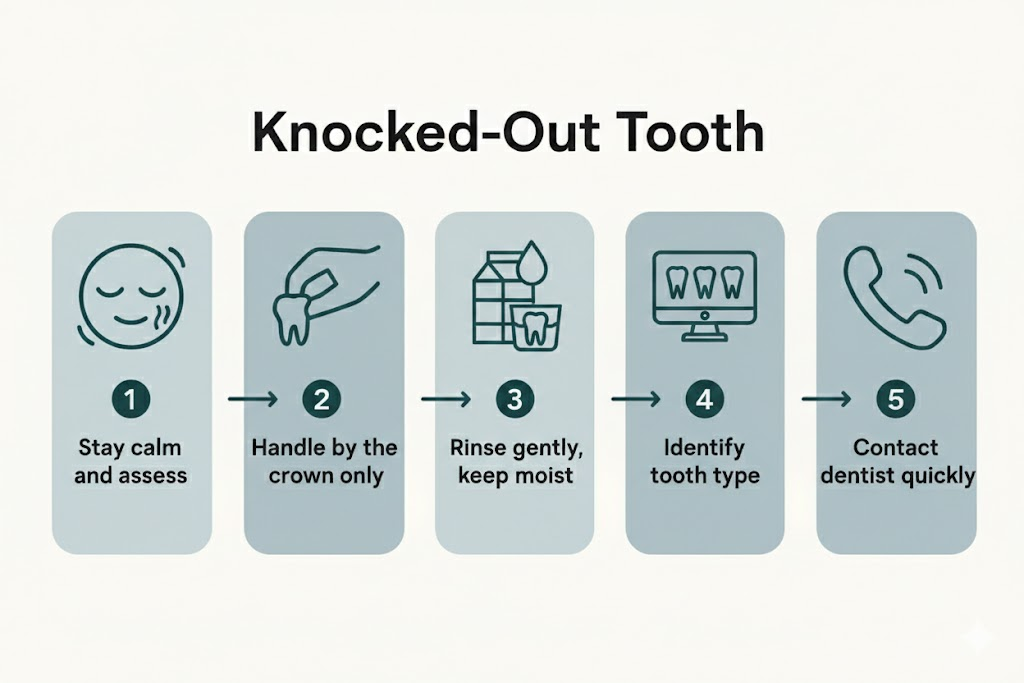
Step 1: Stay Calm & Locate the Tooth
-
- Take three deep breaths. Blood mixed with saliva looks catastrophic—it’s not. The parents fainted from what turned out to be a minor gum laceration and a saved tooth.
- Your mission: Find that tooth immediately. Check the ground, pockets, and even inside the patient’s mouth (sometimes teeth lodge sideways rather than fully eject).
- Mark the time. You now have a documented 30-60 minute window before periodontal ligament (PDL) cell death becomes irreversible,
Step 2: Handle by the Crown Only
- Always pick up the tooth by the white top (the crown).
- Never touch the root—it contains living ligament cells that help the tooth reattach.
- Think of it like a plant: the crown is the stem, the root is delicate tissue.
- If dirty, rinse under cold milk or saline for no more than 10 seconds.
- Do not scrub, wipe, or use soap, alcohol, peroxide, or tap water.
- According to studies Milk is best because its pH and proteins better protect living cells than water.
Step 3: Attempt Gentle Reinsertion (Permanent Teeth Only)
- If it’s an adult tooth, and the patient is calm:
- Align the tooth correctly and gently push it back into the socket.
- Bite down softly on clean gauze to hold it in place.
- This is safe if the tooth is intact and the patient is cooperative.
Exception – Baby Teeth
- Do not reinsert baby teeth.
- Reinserting can damage the permanent tooth developing underneath.
- Instead, place the tooth in milk, control bleeding with gauze, and head to the dentist.
- Age guidance: Children typically lose their first baby teeth around age 6–7, but every child develops differently. If you’re unsure whether it’s a baby or permanent tooth, treat it as permanent and bring it to us—we’ll make the determination.
Key takeaway: Every path leads to the same action—see a dentist within 30 minutes.
Preservation Science: The Chemistry of Saving Your Tooth
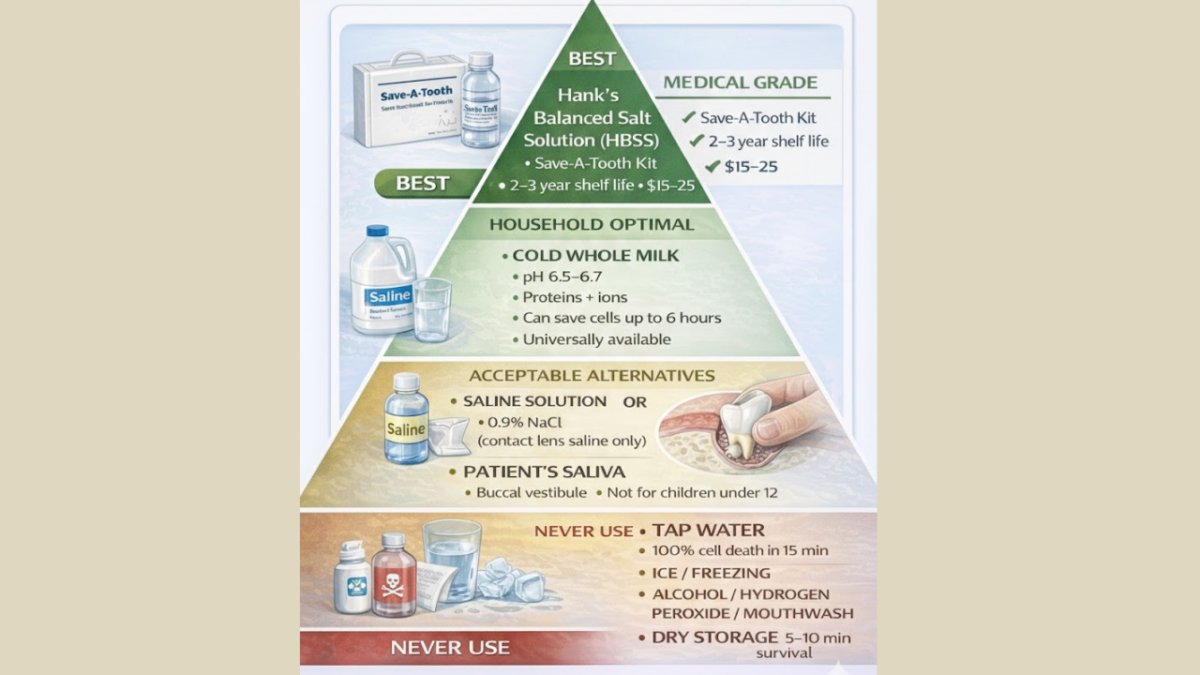
The difference between saving and losing a knocked-out tooth often comes down to one thing: what you store it in. The right liquid keeps the delicate root cells alive while you race to the dentist—the wrong one destroys them in minutes.
Tier 1 Best Option: Hank’s Balanced Salt Solution (HBSS)
- Sold as “Save-A-Tooth” kit at pharmacies ($15-25)
- Keeps teeth viable for up to 24 hours
- Ideal for sports first-aid kits
Tier 2 Good Option: Cold Milk
- Any type works (whole, 2%, skim, lactose-free)
- Keeps teeth viable for up to 6 hours
- Available everywhere
Tier 3 Acceptable: Saline solution or saliva (store tooth between cheek and gum—adults only, choking risk for children)
Tier 4 NEVER USE:
- Tap water (kills cells in minutes)
- Ice, alcohol, peroxide, or mouthwash (all toxic to tooth cells)
- Dry storage (tissue, cloth)
Specific Tip
If you’re hiking or playing sports in the Pikes Peak region, keep cold milk in your cooler or hydration pack—especially if someone in your group is at risk for dental injury.
The 80/20 Rule in Dental Trauma
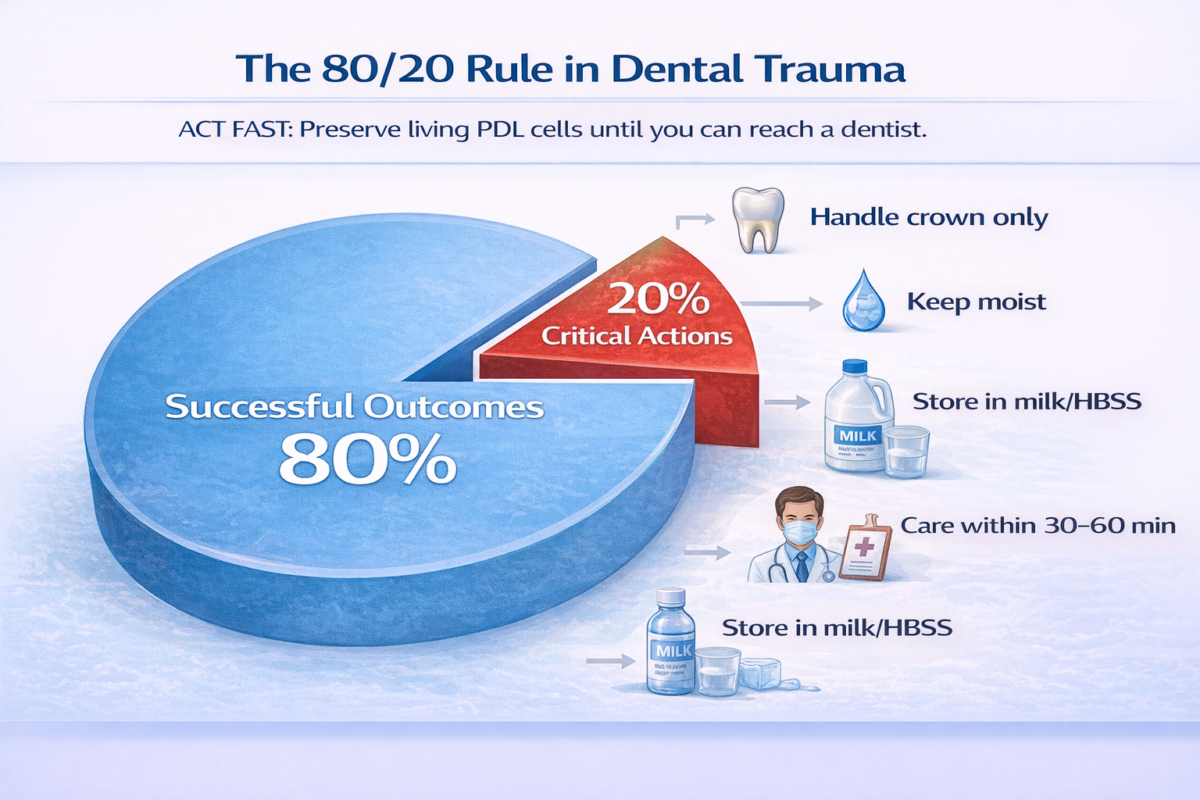
80% of successful tooth reimplantations come from 20% of critical actions done right. Master these four steps:
- Handle the tooth by the crown only
- Keep it moist immediately
- Use milk or HBSS for storage
- Get professional care within 30–60 minutes
Do these, and you give your tooth the best chance of survival.
Restoration Options: Your Path to a Complete Smile
Option 1: Dental Implants
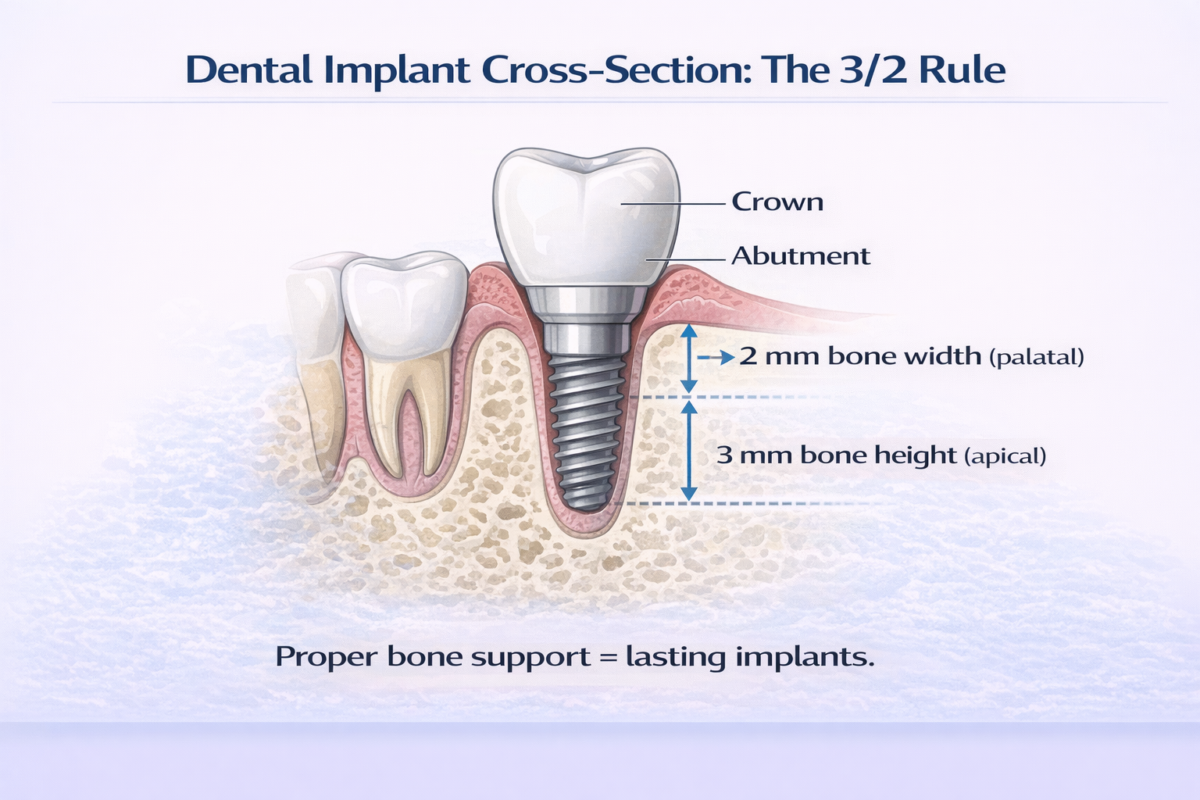
When reimplantation isn’t possible, implants provide a durable, natural‑looking replacement. The 3/2 rule ensures proper bone support (3mm height, 2mm width). Implants last a lifetime with care, though gum disease, uncontrolled diabetes, smoking, or young age may disqualify candidates. Costs in Colorado Springs range from $3,000 to $6,000.
Option 2: Bridges & Dentures
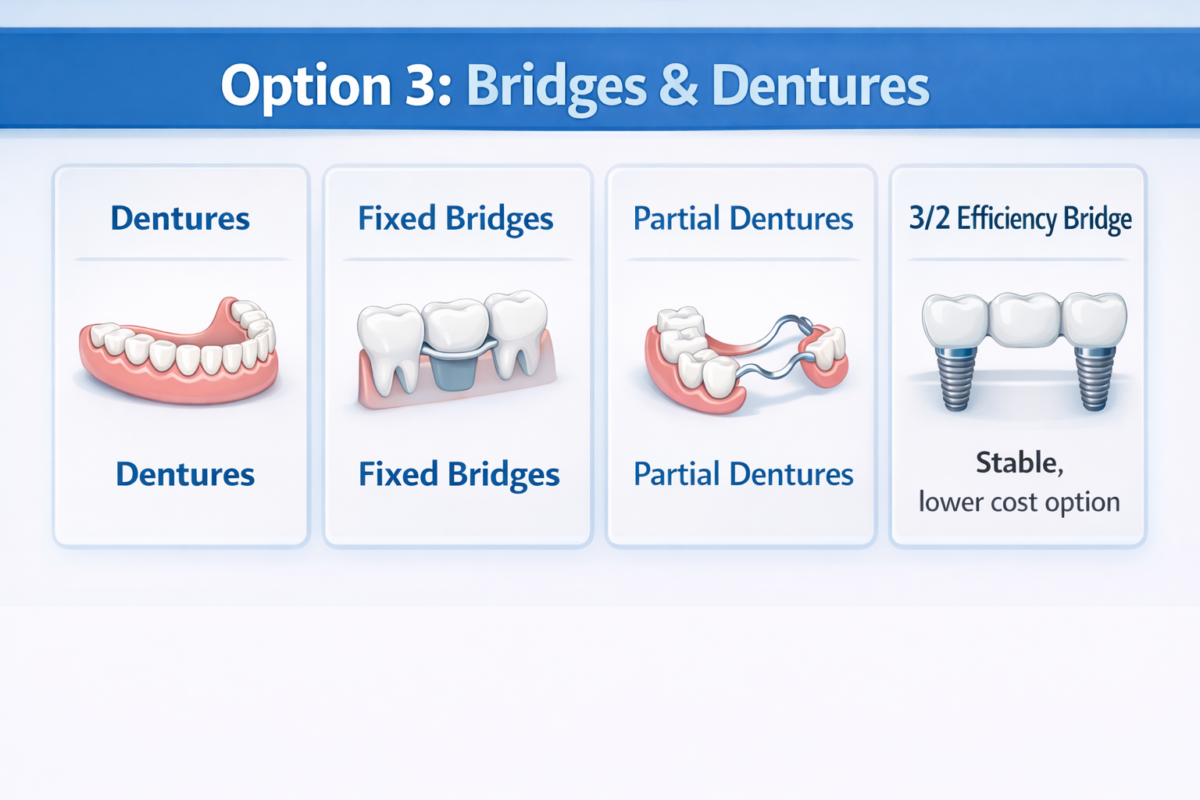
Dentures remain the most affordable option, starting at $775 per arch. Fixed bridges cost $2,000–$5,000 per tooth, while partial dentures range from $1,000–$3,000. A “3/2 efficiency bridge” uses two implants to support three teeth, offering stability at a lower cost.
Understanding Dental Service Classifications
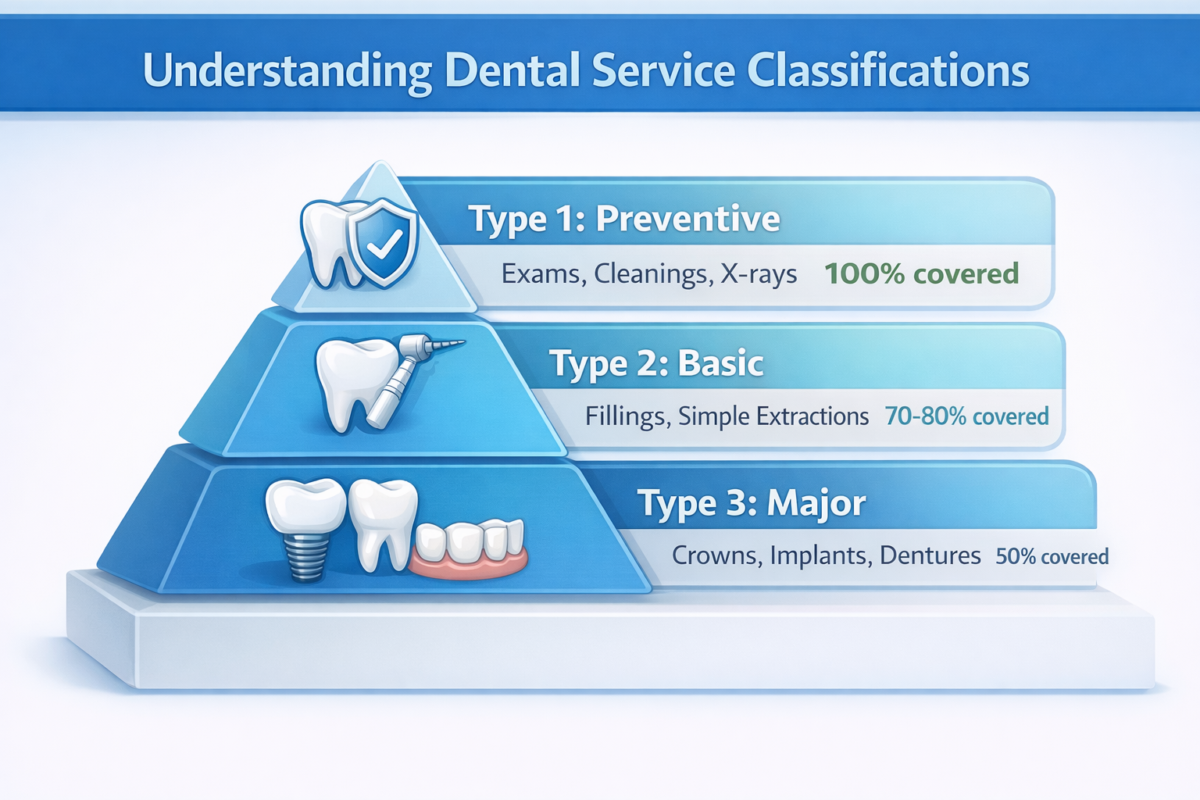
Dental insurance typically categorizes treatments as:
- Type 1 (Preventive): Routine exams, cleanings, X-rays—usually 100% covered
- Type 2 (Basic): Fillings, simple extractions—typically 70-80% covered
- Type 3 (Major): Crowns, implants, dentures, reconstruction—typically 50% covered
Understanding these categories helps you navigate insurance benefits and plan for out-of-pocket costs.
What Sets Robison Associates Apart in Colorado Springs
- All-Female Clinical Team
- Spa-Like Environment (Not Your Typical Dental Office)
- Warm blankets and neck pillows on every chair
- Essential oil diffusers (lavender or peppermint—your choice)
- Peaceful mountain views through large windows
- Private parking (no long walks with injured patients)
- Ground-level accessibility (wheelchair-friendly)
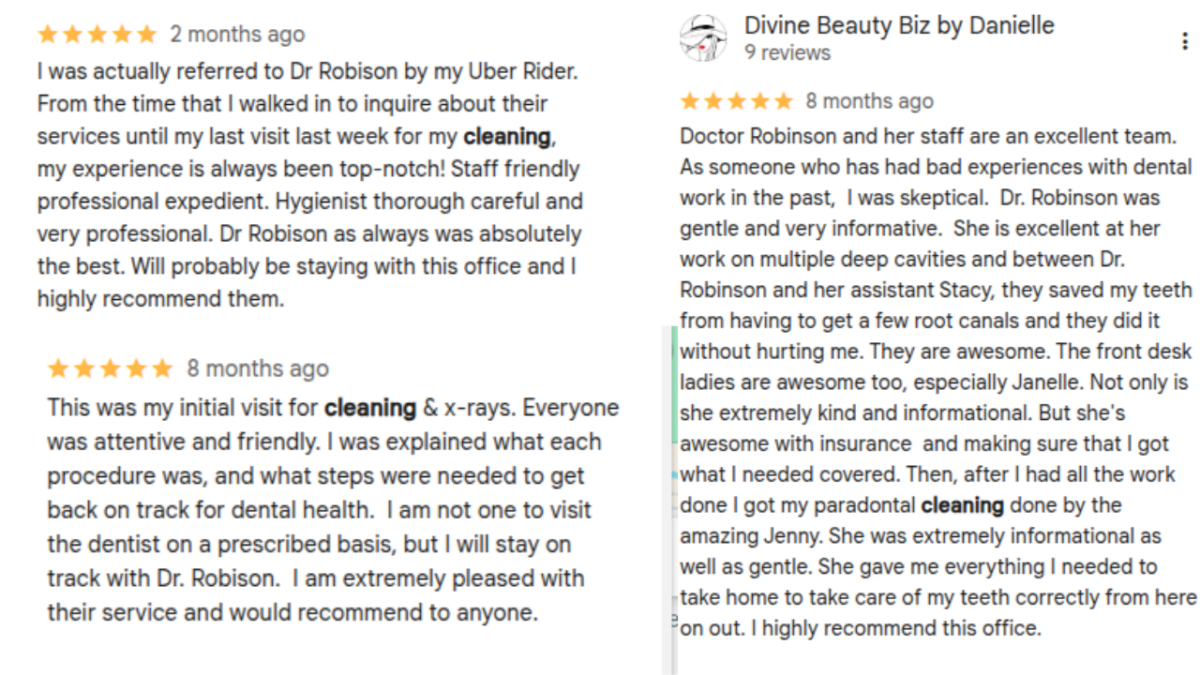
What Our Patient Says
When to Rush to Dental
- Tooth knocked out (even baby teeth need assessment)
- Severe pain or swelling
- Uncontrolled bleeding after 10 minutes
- Tooth fractured or loosened
Conclusion
A knocked-out tooth is not a lost cause — it’s a race against time. When you handle it correctly, keep it moist, and reach a dentist within 30–60 minutes, survival rates are extremely high. Whether through reimplantation, implants, or bridges, modern dentistry can fully restore your smile — but fast action gives you the best outcome.
FAQs
Q1. What should be done immediately for a knocked-out permanent tooth?
Pick it up by the crown only, rinse gently with milk or saline if dirty, reinsert it if possible, or store it in milk or HBSS, and see a dentist within 30–60 minutes.
Q2. Should I reinsert a baby tooth?
No. Never reinsert baby teeth. Doing so can damage the permanent tooth underneath. Store the tooth in milk and see a dentist.
Q3. How much is tooth extraction in Colorado?
Simple extractions typically range from $150–$300. Surgical or impacted extractions range from $250–$600+ depending on complexity and anesthesia.
Q4. What is the 80/20 rule in dentistry?
80% of tooth-saving success comes from 20% of actions:
Handle by crown, keep moist, store in milk or HBSS, and get dental care within 30–60 minutes.
Q5. Will you take my teeth out and give me dentures the same day?
Yes. This is called same-day or immediate dentures. Teeth are extracted and dentures are placed on the same visit, so you never leave without teeth.