Quick Takeaway
- Teeth whitening is safe when done professionally, but it can damage enamel if overused or done improperly.
- Professional treatments are tailored to your needs, while OTC products may cause enamel thinning and gum irritation.
- Follow instructions carefully, avoid overuse, and consult a dentist for the best results and to avoid sensitivity.
- Always prioritize professional guidance for safe and effective whitening.
Worried about enamel damage from teeth whitening? Here is what you need to know before you brighten your smile.
Teeth whitening has become a popular cosmetic treatment worldwide, with the global market hitting $7.5 billion in 2023 and projected to grow at a 5% annual rate, reaching $10.6 billion by 2030. This surge is largely driven by social media and selfie culture, with younger adults leading the charge.
If teeth whitening is done properly and professionally, it does not damage enamel. Whereas improper use or overuse of teeth whitening products can affect enamel or overall oral health.
Let’s dive into this blog to explore the truth behind teeth whitening and enamel safety, debunk common myths, and offer tips for safe teeth whitening.
How Does Teeth Whitening Work?
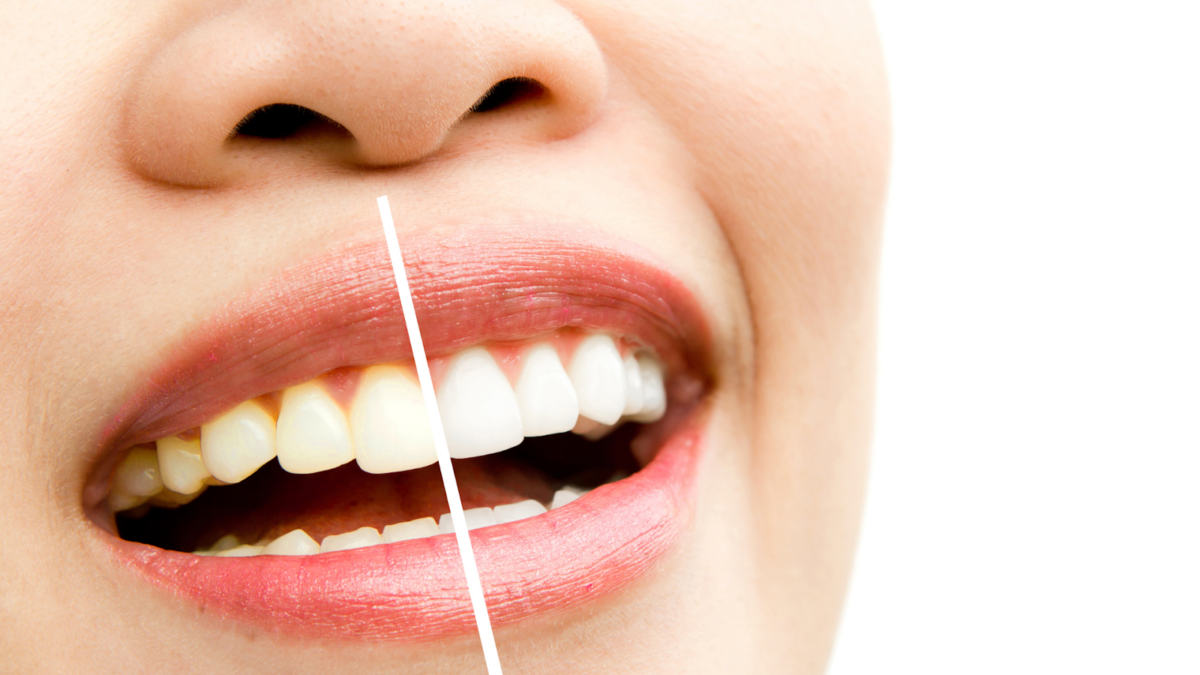
Teeth whitening includes various processes that make natural teeth appear whiter and brighter. Teeth whitening is usually done using whitening agents like “hydrogen peroxide” or “carbamide peroxide”, which help break down stains present on your teeth.
Here is how the whole process works:
- Penetration of the Enamel:
A whitening gel with peroxide (like hydrogen peroxide) is applied to the teeth, then the gel penetrates (soaks) through the hard outer layer of the teeth called “enamel”.
- Breaking Down Stains:
When the whitening gel reaches the inner layer called “dentin,” it releases “oxygen molecules”. These molecules break the stain, making it less visible and resulting in a whiter smile.
Did You Know?
Teeth stains are of two types:
“Extrinsic” (those that are present on the surface of the tooth, caused by coffee or artificial food coloring and are easy to scrub off) and
“intrinsic” (those present deep inside the tooth, caused by medicines, fluorides, or genetics and need strong teeth whitening).
That’s why choosing the right method is crucial, so consult a dentist to determine the best option.
Does Teeth Whitening Damage Enamel?
Teeth whitening is generally safe when done with professional guidance in the right way. But it’s essential to understand the difference between whitening products and professional treatment.
How Does Professional Whitening Treatment Work?
A professional teeth whitening treatment is usually performed by a dentist and is one of the safest methods for your teeth.
During this, the dentist follows these steps:
Step 1: The dentist checks the shade, cleans, and polishes them using pumice.
Step 2: Then, dentists isolate the area using cheek retractors, gauze, and a protective barrier (like a gel or dam) to protect soft tissue from the peroxide.
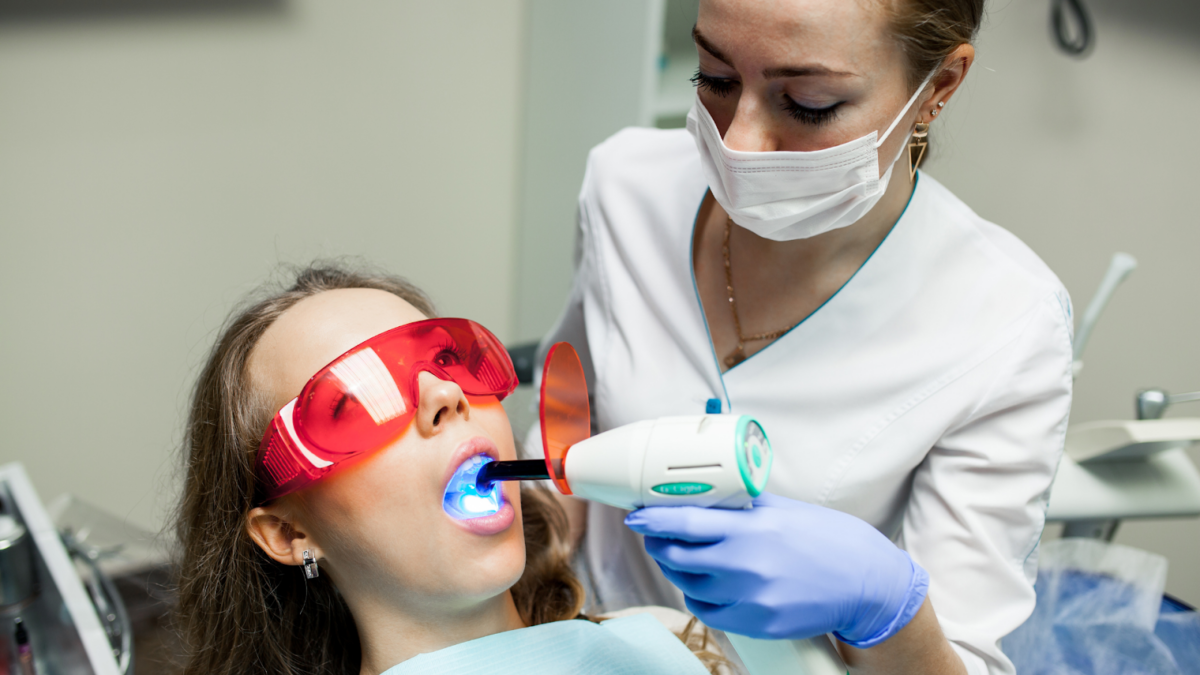
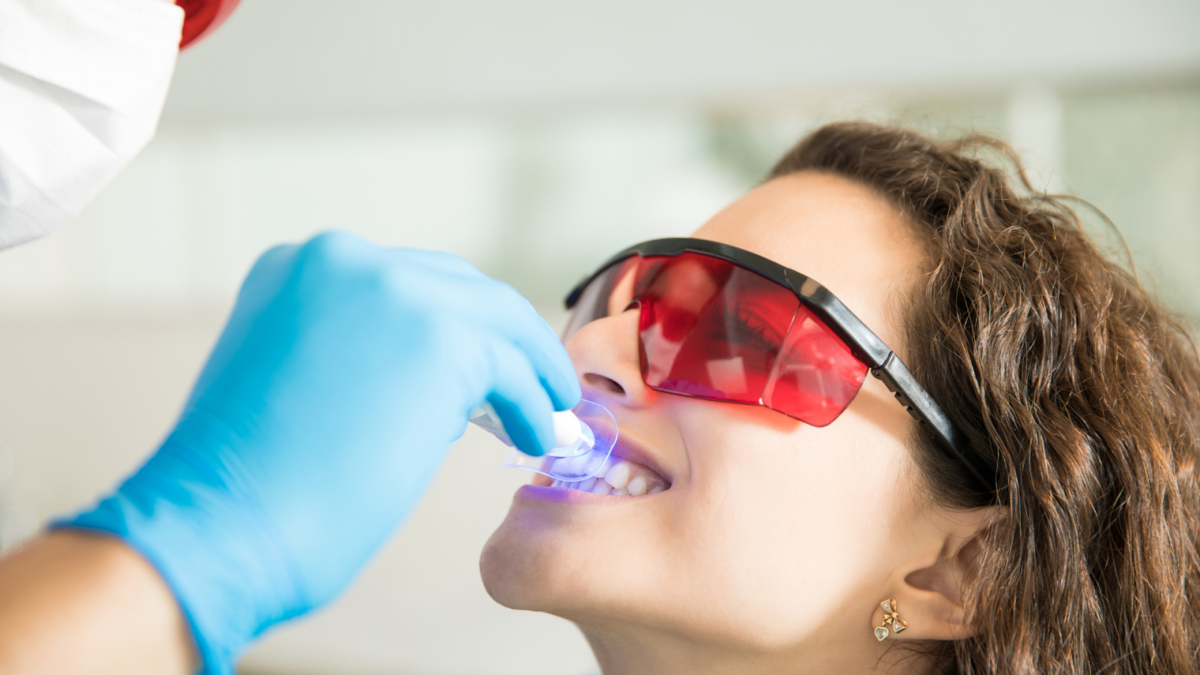
Step 3: Later, they apply hydrogen peroxide gel to the front teeth surface, and use LED laser or UV lights to activate it, allowing oxygen molecules to absorb into the enamel pores.
Step 4: Finally, the gel is rinsed off, the teeth are brushed, and a “fluoride treatment” is performed to reduce sensitivity and remineralize (restore lost minerals like calcium and phosphate) enamel.
How Do Teeth Whitening Products Work?
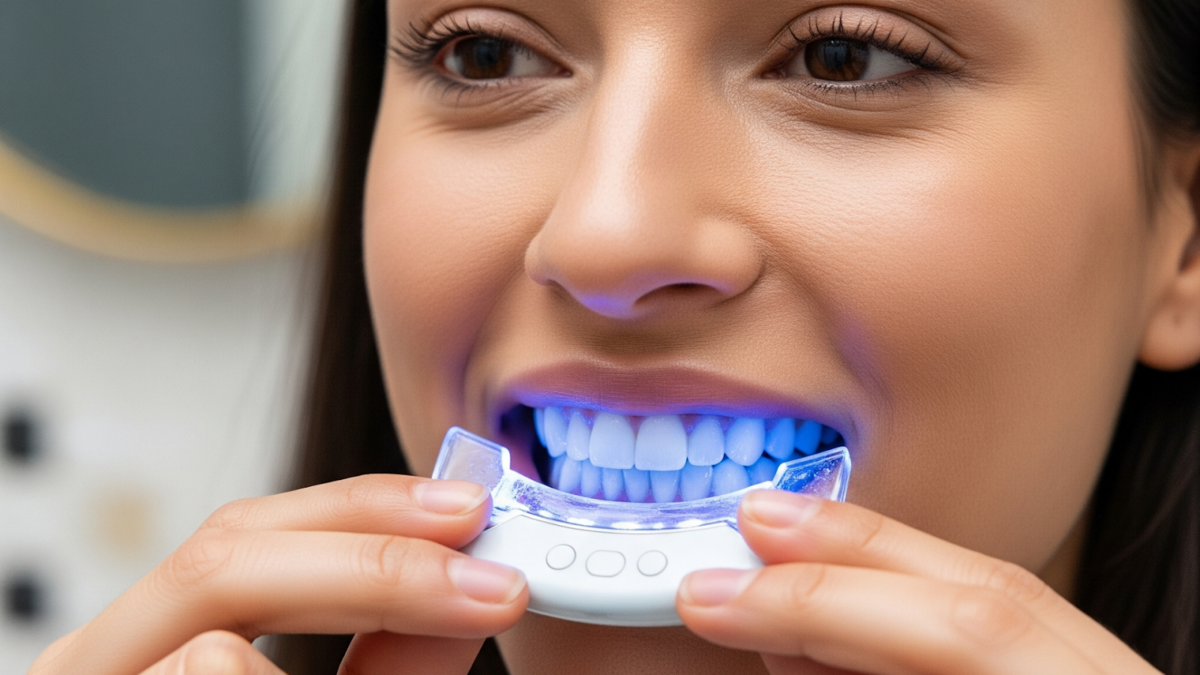
Over-the-counter (OTC) whitening products use light peroxide gel to brighten teeth at home. Some of the most used teeth whitening products are:
- Whitening Strips
Flexible strips coated with hydrogen peroxide are applied for 30 minutes. The gel penetrates the enamel slowly and releases oxygen molecules to fade the stain.
- Whitening Toothpaste
Mild abrasives (like silica, calcium carbonate, and baking soda) scrub away the stains from the teeth. But they only clean the outer surface, not the inner layer, i.e., dentin.
- Gels And Pens
Syringe gels and brush-on gels are applied directly to the teeth, and a mouthguard or tray is worn overnight. This allows the gel to stay on the teeth for a specific time, providing clear teeth.
Although these products are affordable, they can damage your teeth if not used carefully or for a long time. Let’s uncover the risks of overusing whitening products:
- Enamel Wear:
Overuse of whitening products can cause thinning of the outer surface of teeth.
- Gum Irritation:
Improper use of whitening agents can damage your teeth, especially your gums.
- Sensitivity:
If you have sensitive teeth, it may cause pain in your teeth or make you uncomfortable with hot or cold food.
Did You Know?
Research conducted in 2024 by the National Library of Medicine shows that online-sourced OTC products (e.g., gels and strips) reported that one low-ranked gel (LRA) caused 14.2% enamel microhardness loss and severe surface alterations.
Myths About Teeth Whitening and Enamel Damage
Myth 1: Teeth whitening will always damage your enamel.
Fact: When used in the right way and under the supervision of the dentist, it does not damage the enamel. Whereas over-the-counter products are not generally safe.
Expert Insight:
It is best to consult a doctor before using DIY teeth whitening products to avoid any damage.
Myth 2: Whitening treatments cause permanent sensitivity.
Fact: Whitening treatment may cause sensitivity, but for a short period of time (for a few days or a week).
Expert Insight: Some people feel more discomfort, but this can be managed with some desensitizing products.
Myth 3: DIY whitening kits are just as safe as professional treatments.
Fact: Professional treatments are mostly safer and effective than DIY whitening kits (These kits lack dentist supervision, and increase enamel wear risk).
Expert Insight: Dentists tailor professional whitening to your enamel and sensitivity, while DIY kits use a one-size-fits-all approach that lacks supervision and can increase enamel damage and sensitivity.
Preventive Measures And Tips For Safe Teeth Whitening
- Always read the instructions of the whitening products and follow them for the best results.
- Don’t overuse the products.
- Avoid hot and cold products for some time after the teeth whitening treatment to avoid sensitivity.
- Use fluoride toothpaste to strengthen teeth.
- Add dairy products to your meal as they are rich in calcium.
- Keep yourself hydrated.
- Prefer to count on an expert dentist rather than relying solely on Over-the-counter (OTC) whitening products.
Why Choose Robison Associates For Teeth Whitening Treatment?
At Robison Associates, we deliver customized teeth whitening treatment. Choose convenient take-home teeth whitening or rapid in-office teeth whitening treatments for stunning results. We use advanced whitening technology and medical-grade products for safe & lasting results.
Schedule a teeth whitening consultation, where we assess your stains, review your smile goals, and create a custom plan. Our aftercare guidance includes avoiding staining foods/drinks, using sensitive toothpaste, and touch-up kits for lasting, safe results.
Frequently Asked Questions (FAQs)
Q1: What Are the Signs That My Tooth Enamel is Being Damaged by Whitening?
A: If you feel pain while eating or drinking, or experience enamel thinning and sensitivity, then it means your tooth enamel is damaged.
Q2: Can I Whiten My Teeth If I Have Sensitive Teeth or Thin Enamel?
A: If you have sensitive teeth or thin enamel, you should visit a dentist and seek advice, as teeth whitening can worsen your sensitivity or damage teeth.
Q3: What is the 2 2 2 rule for teeth?
A: The 222 rule means brushing your teeth for two minutes twice a day.
Q4: How often should I visit a dentist?
A: You should visit a dentist twice a year for regular checkups and cleaning, or as recommended by your dentist.
Conclusion
Safe teeth whitening won’t harm you if you adhere to professional treatment, whereas overdoing it at home can cause problems, so seek advice from a dentist. For proper care after teeth whitening, use fluoride toothpaste, and take proper precautions to prevent enamel damage from teeth whitening.
If you want a brighter smile, book an appointment with us at Robison Associates. Here you will experience personalized, gentle care in a comfortable, spa-like environment using advanced technology to give you the best results.