| Summary:
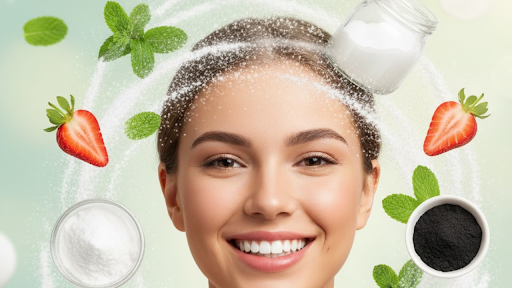
Natural teeth whitening focuses on gentle, sustainable care. Use mild abrasives, enzyme-rich foods, and remineralizing toothpaste to brighten your smile safely. Stay hydrated, support oral bacteria, and avoid frequent stainers. For deeper discoloration, professional whitening from a dentist like Robison Dental ensures safe, lasting results without damaging enamel. |
Do you find yourself hiding your smile because your teeth look dull, yellowed, or stained?
You are not alone.
Teeth whitening is one of the most popular cosmetic dental treatments, with surveys showing these treatments are successful in at least 90% of patients. Several day-to-day activities slowly darken your enamel, such as:
- Drinking coffee, tea, and red wine
- Smoking
- Aging
Many over-the-counter products don’t deliver lasting visible change. For example, whitening strips typically lighten teeth by only one or two shades within a few days.
Interestingly, researchers are now exploring natural, less abrasive alternatives. A 2022 review published in the Journal of Oral Bioscience (Elsevier) found that fruit enzymes, mild acids, and mineral-rich foods may safely and naturally whiten teeth without harming enamel.
Here we will dive into evidence-informed and straightforward natural ways to whiten teeth that support enamel health and prevent stains.
1. Practice Oil Pulling (in Moderation)
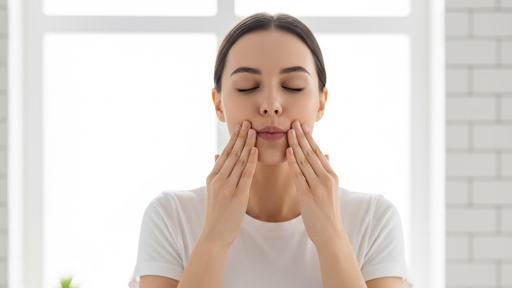
Oil pulling helps to reduce bacteria and remove staining over time. Here is how to do it:
- Take about a tablespoon of edible coconut or sesame oil.
- Swish it in your mouth for 10-20 minutes.
- Spit it out and brush.
Here, the coconut oil is preferred for the natural teeth whitening method due to:
- Presence of lauric acid (a natural antimicrobial) that reduces bad breath, bacteria, and gingivitis.
- Effectiveness in reducing plaque and inflammation.
| Tip: Oil pulling is practiced 3 times a week for maintaining oral health and freshness. |
2. Brush with Baking Soda Paste
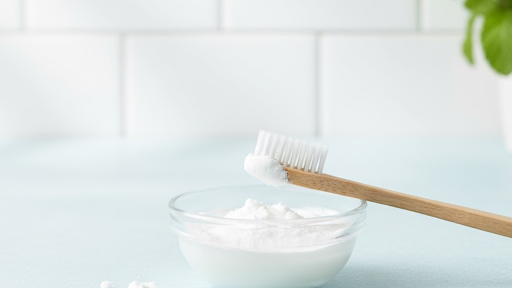
Baking soda is a mild abrasive that can polish away surface stains.
Mix about one teaspoon of baking soda with two teaspoons of water and gently brush your teeth (1-2 minutes). You can use it once or twice a week.
3. Use Hydrogen Peroxide Very Cautiously
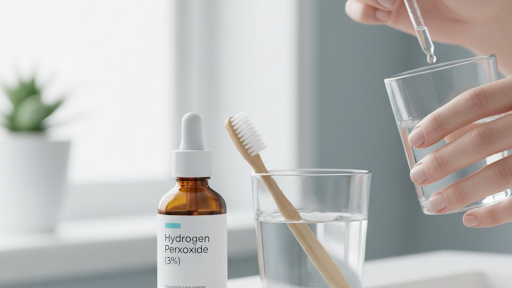
Hydrogen peroxide can lighten stains, but use it sparingly.
You can use a diluted 1.5 -3% hydrogen peroxide rinse (mix equal parts water) before brushing to help lighten stains. But use it very sparingly. You can also use a baking soda and hydrogen peroxide paste.
Mix a small amount of baking soda with a few drops of hydrogen peroxide to form a paste. Brush gently for two minutes, then rinse. Limit use to once or twice a week to avoid enamel abrasion.
4. Eat Stain-Fighting Foods
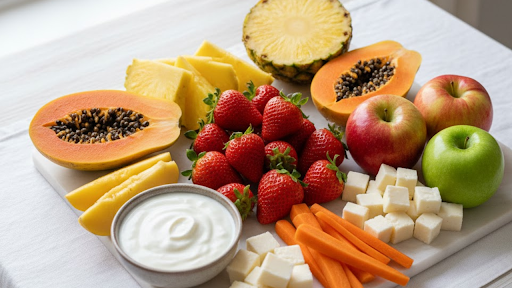
- Strawberries (Moderation): They contain malic acid, which gently dissolves surface stains.
- Papaya and Pineapple: These fruits contain enzymes such as Papain and Bromelain, which can boost the whitening effects of hydrogen peroxide while being gentler on enamel.
- Carrots and Apples: They help scrub the tooth surfaces naturally while you chew.
- Dairy products like cheese and yogurt contain calcium and phosphates for remineralization.
| NOTE: A 2021 International Journal of Ayurvedic Medicine study also found that banana and orange peels helped whiten teeth in lab conditions. Banana peel showed slightly better results. |
5. Brushing and Flossing
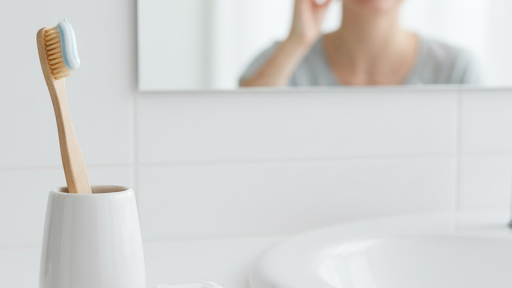
Good oral hygiene is the foundation. Brush twice a day+floss once a day to reduce the yellowing caused by plaque and stains.
6. Rub Banana, Orange, or Lemon Peels

Rub the inside of a banana or orange peel on your teeth for a few minutes before brushing. Both peels contain mild acids believed to help lift stains.
7. Remineralize Instead of Bleach’
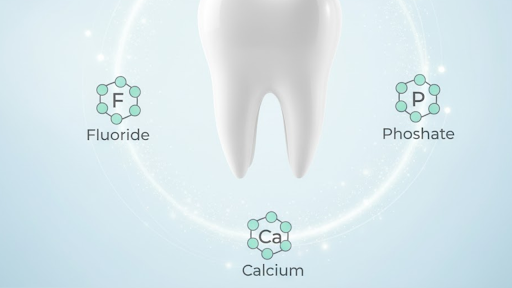
If you have been reaching for whitening kits or strips often, here is a better approach– remineralize your teeth instead of bleaching.
Bleaching can make your teeth look great short-term, but it can also make them sensitive and wear down your enamel if overdone.
Remineralizing helps your teeth naturally rebuild their strength.
Look for toothpaste or rinses that contain fluoride, calcium, or phosphate. These minerals fill in tiny weak spots and keep your enamel strong. You can also eat more mineral-rich foods like yogurt, cheese, spinach, and almonds.
8. Support Your Oral Microbiome
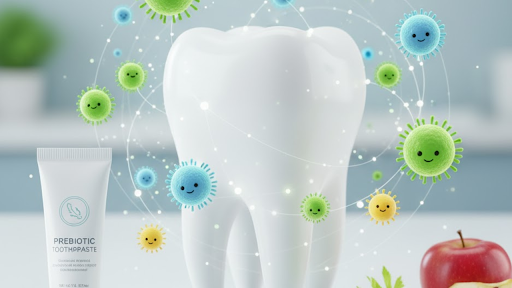
A healthy oral microbiome (the community of good bacteria in your mouth) protects against plaque and discoloration.
Here is how to nurture it:
- Avoid overusing hydrogen peroxide or alcohol-based rinses. They kill beneficial bacteria.
- Use prebiotic toothpaste or mouth rinses that feed good bacteria.
- Eat fiber-rich foods (celery, apples, carrots) that help naturally clean teeth and stimulate saliva.
9. Hydrate and Breathe Through Your Nose
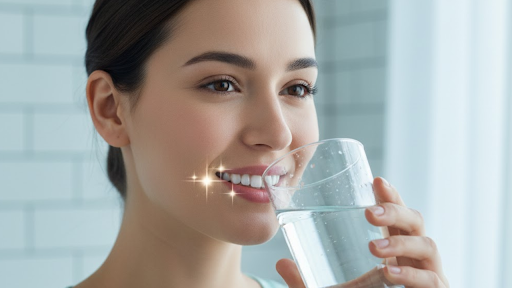
Dry mouth and mouth breathing make teeth look darker by reducing moisture and minerals. Stay hydrated and practice nasal breathing to help maintain a healthy, bright smile.
10. Avoid Frequent Stainers
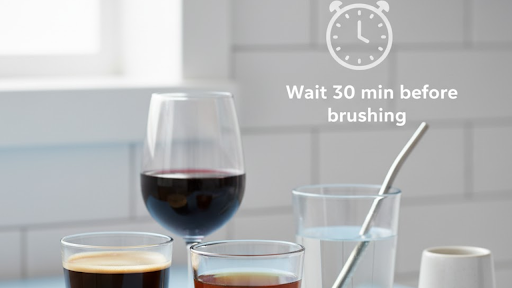
Your morning coffee of evening glass of red wine are some of the biggest culprits behind tooth stains. So, be smart about it:
- Rinse with water right after drinking or eating stain-causing foods.
- Use a straw when drinking iced coffee or tea to limit contact with your teeth.
- Brush after 30 minutes, not immediately. Brushing too soon can spread the acid and cause more harm.
When To Think About Professional Help
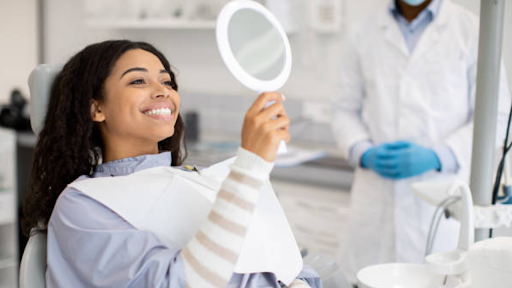
If you have tried all the home remedies for teeth whitening and still your teeth look dull, it might be time to call in the pros.
Home remedies for teeth whitening are great for surface stains, but deep discoloration usually needs a dentist’s touch.
At Robison Dental in Colorado Springs, professional whitening treatments go way beyond what you can do with DIY teeth whitening.
We use safe, medical-grade ingredients to brighten your smile. You might want to see a dentist if:
- Those coffee, tea, or wine stains just won’t fade.
- You have uneven discoloration from aging or medication.
- You want faster, longer-lasting results without hurting your enamel.
- You’re getting tooth sensitivity or gum irritation from store-bought kits.
Dr. Letha Robison and her team create custom whitening plans that fit yoru needs. Whether you go for an in-office laser treatment for instant brightness or take-home trays for more flexibility, you will get a whiter, healthier smile.
Frequently Asked Questions (FAQs)
- How can you whiten your teeth quickly?
You can whiten your teeth quickly using at-home methods like whitening strips or a baking soda and hydrogen peroxide paste. Professional treatments, such as those offered by a dentist, also provide fast and effective whitening.
- Can yellow teeth get white again?
Yes, yellow teeth can become white again through various methods, such as:
- At-home products
- Natural remedies
- Professional treatments
The best approach depends on the cause of the discoloration and consistent good oral hygiene.
- How to get white teeth in 7 days?
Consistently use at-home whitening products like whitening strips or a whitening pen, maintain good oral hygiene, and avoid stain-causing foods and drinks.
- What is the 2-2-2 rule for teeth?
The rule states that you should brush for two minutes, twice a day, and visit the dentist twice a year.
- Which toothpaste is best for teeth whitening?
It is important to consider the guidance of a dentist to choose the best toothpaste for teeth whitening.