| Summary:
Teeth whitening can be safe and effective when done right. Avoid overusing whitening products or skipping professional guidance, as it may cause sensitivity or enamel damage. Always choose trusted methods and maintain good oral hygiene. |
You have probably noticed how everyone seems to have gleaming white teeth these days.
Over the past years, nearly 37 million of Americans have used some form of whitening product to get a radiant smile.
After hearing this, you may have even thought, “ Should I try whitening my teeth too?” But then comes the worry–is teeth whitening safe?
You are not alone.
Let’s learn the truth about teeth whitening—covering:
- What makes teeth whitening safe?
- What to watch out for?
- How to get that confident smile without affecting your teeth
How Do Teeth Become Discolored?
There are two main types of tooth discoloration:
1. Extrinsic Discoloration
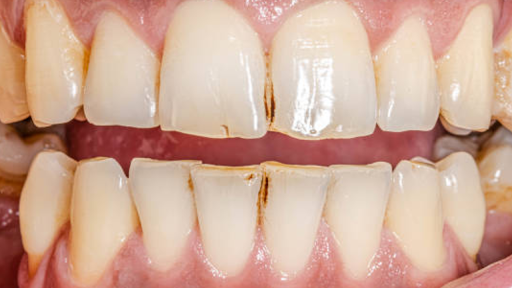
This affects the outer layer of your teeth (the enamel). There is a development of pigment or build-up on the surface due to :
- Coffee
- Tea
- Red wine
- Tobacco
- Even certain mouthwashes
2. Intrinsic Discoloration
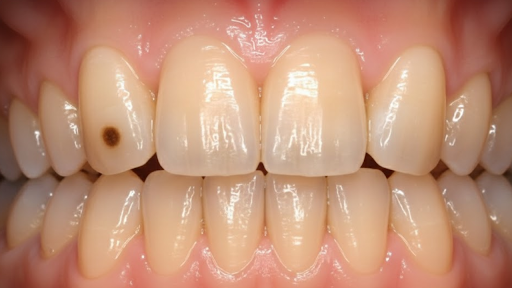
This happens deeper within the tooth ( the dentin or inside the enamel). It is harder to treat and comes from causes such as medication, trauma, ageing, or developmental issues.
What is Teeth Whitening?
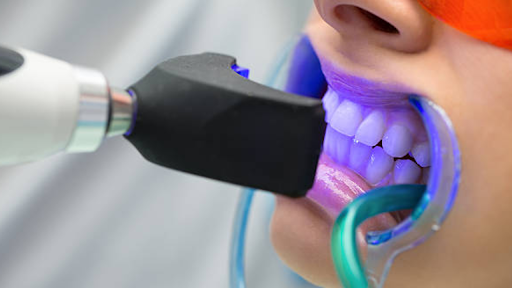
Teeth whitening is one of the most popular cosmetic dental treatments. It is done properly using dentist-approved methods or products with the ADA (American Dental Association) Seal of Acceptance.
However, whitening is not one-size-fits-all. The safety and results depend on your:
- Oral health (gum health, presence of cavities, etc.)
- Whitening method used (in-office, take-home, or over-the-counter)
- Chemical concentrations of the bleaching agent
- How well you follow instructions
How Does Teeth Whitening Work?
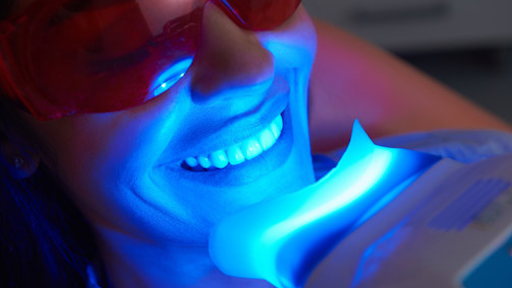
Most whitening products use peroxide-based agents, either hydrogen peroxide (HP) or carbamide peroxide (CP).
- Carbamide peroxide breaks down into hydrogen peroxide once applied.
- These agents release oxygen molecules that break down stains inside the tooth called chromogens.
This process lightens the color of your enamel and dentin to give you a whiter smile. There are two types of whitening treatments:
- Professional whitening: Uses higher concentrations (stronger) for faster results. Which can be completed in one or two sessions.
- At-home kits: Use lower concentrations. These kits require multiple applications over a few weeks.
What Regulations Say About Safe Whitening?
Safe over-the-counter (OTC) concentrations: Around 10% Carbamide Peroxide (≈3.6% Hydrogen Peroxide). Products with the ADA Seal are tested for safety and effectiveness when used as directed.
What are the Short-Term Side Effects or Risks of Teeth Whitening (and How to Manage Them)
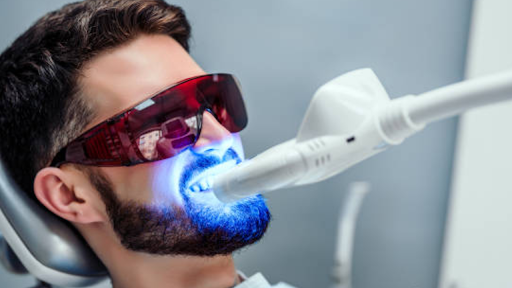
1. Tooth Sensitivity
The most common side effects are temporary sensitivity to hot or cold foods. This happens when peroxide seeps into the dentin (the layer under the enamel) and temporarily irritates the nerves.
How To Manage it:
- Use desensitizing toothpaste (like those with potassium nitrate).
- Take a short break between whitening sessions.
- Ask your dentist about fluoride treatments to calm sensitivity.
2. Gum Irritation
If whitening gel touches your gums, it can cause redness or soreness. This usually happens when trays don’t fit well or gel overflows.
Prevention Tips:
- Use custom trays made by your dentist.
- Apply only a small amount of gel.
- Wipe off any excess immediately.
Dentists use protective barriers during in-office treatments to shield the gums and make professional procedures much safer.
3. Damage to Enamel
Whitening, when done properly, doesn’t permanently damage enamel. The temporary softening of enamel after whitening appears, but these changes are reversible. The softening is caused by dehydration, not actual erosion.
How To Protect and Restore Enamel
After whitening, remineralization helps restore enamel strength. Fluoride rinses or gels are excellent for this.
Tip: Ask your dentist to include a remineralization treatment as part of your whitening plan.
4. Uneven Whitening and Existing Dental Work
Whitening agents do not change the color of filings, crowns, or veneers. So, if you have dental restorations, your natural teeth may whiten while the restorations stay the same shade.
Best Approach
- Whiten your natural teeth first.
- Replace or adjust restorations afterward for a uniform color.
When Whitening is Not Recommended

Whitening should be avoided or postponed if you have:
- Untreated cavities or cracked teeth
- Gum disease (gingivitis or periodontitis)
- Severe tooth sensitivity
Also, avoid whitening if:
- You are pregnant or breastfeeding
- You are under 16 years old (your enamel and pulp are still developing)
- You have tetracycline stains (deep discoloration that may not respond well to treatment)
In these cases, your dentist may suggest alternatives like veneers or bonding.
What Should You Do to Ensure a Safe Whitening Pathway?
1. Have a Dental Check-Up First
Get a full dental check-up first. A dentist will:
- Identify the cause of stains
- Treat existing issues like gum disease, worn enamel, or cavities if you have any of them
- Confirm candidacy for whitening
2. Choose Professional Supervision
Always whiten under guidance, even for at-home kits. A dentist can customize the formula and treatment time to suit your teeth. This reduces the risk of sensitivity and uneven whitening while protecting your enamel.
3. Ask About Concentrations Used
Bleaching gels come in different strengths, and stronger doesn’t mean better. High concentrations can irritate gums and erode enamel if left too long. Ask your dentist to explain the percentage used and how often it is safe to apply.
4. Ask How It Works With Your Restorations
If you have fillings, crowns, or veneers, whitening might not affect them the same way. That can leave your smile looking patchy or mismatched.
5. Follow Instructions
It is tempting to leave whitening strips or trays on longer for extra results. But overuse can cause permanent enamel damage or gum irritation. Stick to the recommended time and frequency. It is there to protect you.
6. Aftercare Matters
Whitening makes enamel temporarily porous. Avoid dark drinks like coffee, red wine, or tea for at least 48 hours. Brush gently with a soft-bristled toothbrush and use a desensitizing toothpaste.
7. Moderation
Whitening is not meant to be constant. Give your teeth time to recover between treatments. A safe rule: once or twice a year is enough for most people.
Brighten Your Smile the Safe Way—with Expert Care You Can Trust
Stained teeth can make you feel less confident. You may hide your smile or avoid photos. Many store-bought whitening kits can cause pain or enamel damage. If you keep using them, your teeth may become weak or sensitive. At Robison Associates in Colorado Springs, whitening is done the safe way. Dr Letha Robison and the team check your teeth and recommend what works best for you. She uses safe methods that protect your enamel and gums. You can choose fast in-office whitening or take-home trays. Both aim to give a healthy, natural-looking smile.
Call us today to brighten your smile using teeth whitening.
Frequently Asked Questions (FAQs)
1. Can yellow teeth become white again?
Yes, yellow teeth can become white again through various methods, including at-home products, natural remedies, and professional treatments. But the best approach depends on the cause of discoloration and consistent good oral hygiene.
2. How can I get 100% white teeth?
Focus on lifestyle adjustments, at-home care, and professional treatments under a dentist’s supervision.
3. What type of teeth cannot be whitened?
Dental restorations like crowns, veneers, and fillings cannot be whitened because the bleaching agents cannot penetrate the materials to change their color.
4. What is the age limit for whitening teeth?
The minimum age for teeth whitening varies from country to country. Dentists recommend waiting until at least 16 years of age with professional guidance.
5. Is it safe to use whitening toothpaste every day?
It is generally safe to use whitening toothpaste every day if you follow the product’s instructions.