Summary
|
You notice it in every photo! That slight yellow tint on your teeth that just won’t go away. You brush, you rinse, yet the stains stay. According to the CDC, about 65.5% of adults had a dental exam or cleaning within the past year, yet many still struggle with tooth discoloration and decay. And nearly 9.8% of people report visible tooth discoloration, highlighting how common this concern really is. However, most people go wrong by chasing quick teeth whitening tips that promise instant results, often risking damage to their enamel. What you really need are safe teeth whitening tips that protect your teeth while giving you that fresh, clean glow.
So, these 13 dentist-approved teeth whitening tips will show you how to keep your smile brighter, healthier, and photo-ready.
1. Brush With Baking Soda (But Not Daily)
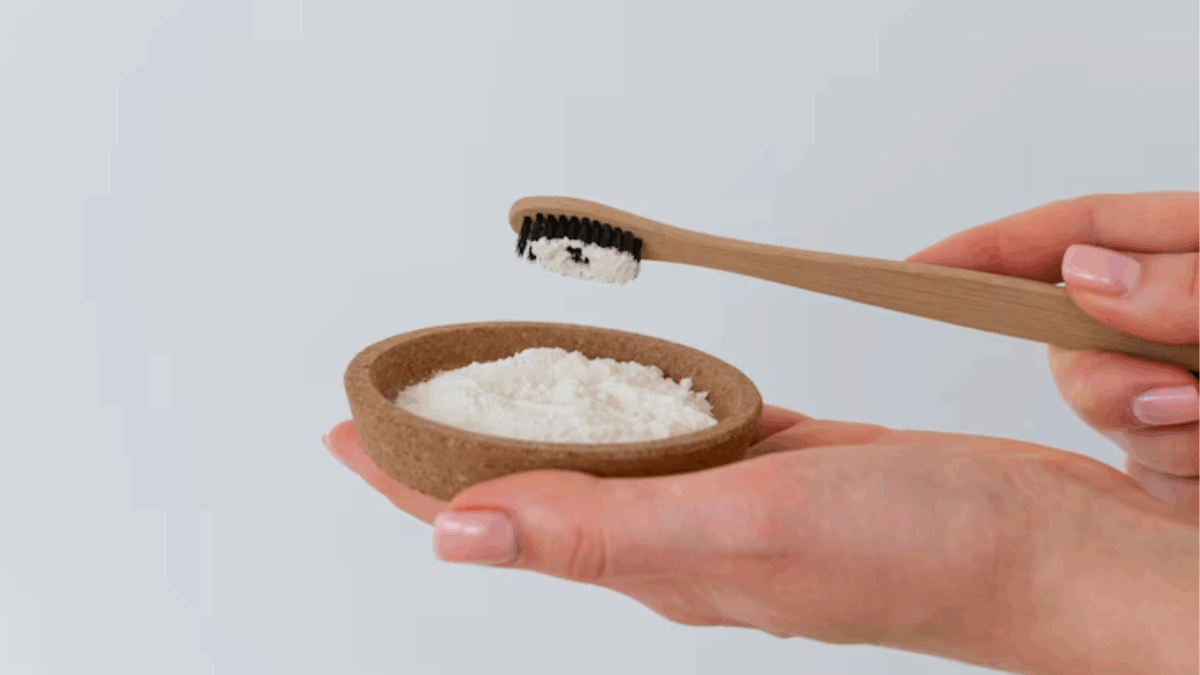
Baking soda is a natural and mild abrasive that gently scrubs away surface stains on your teeth, helping to brighten your smile. It creates an alkaline environment, which balances the acid levels in the mouth and slows down the growth of bacteria that cause plaque and bad breath.
How to Use:
- Mix about half a teaspoon of baking soda with a few drops of water to form a paste.
- Brush your teeth gently with this paste for two minutes.
- Limit this practice to once or twice a week.
2. Switch to a Whitening Toothpaste With Hydrogen Peroxide
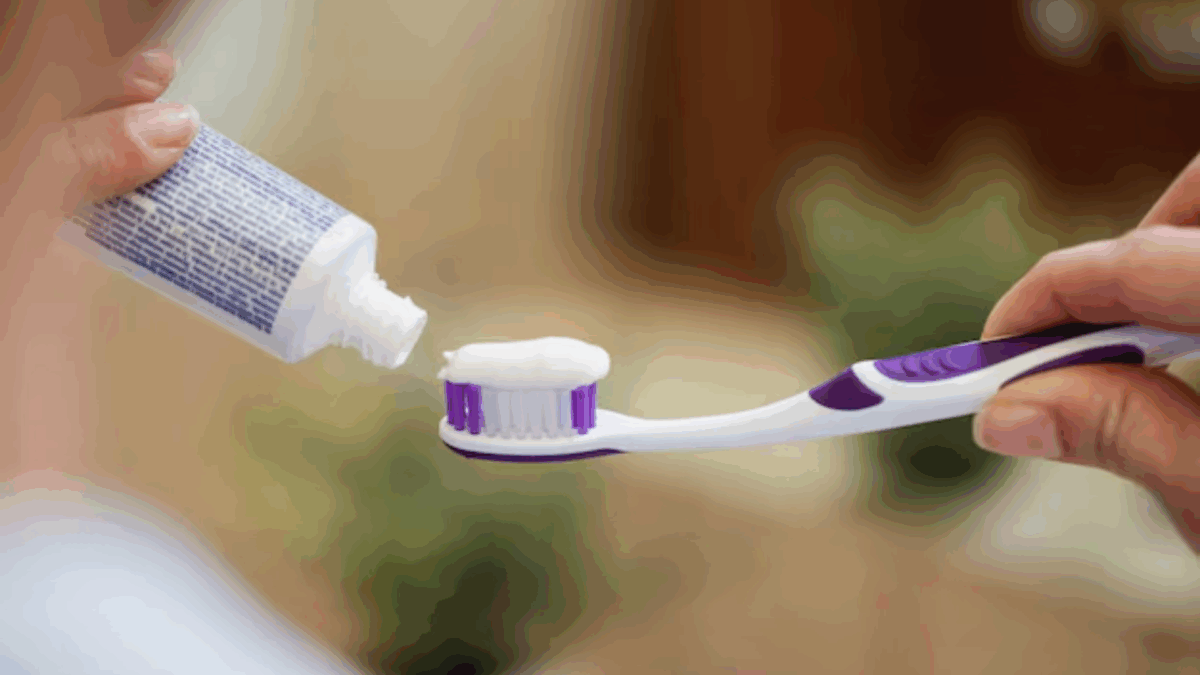
Using whitening toothpaste is one of the simplest teeth whitening tips to reduce surface stains. These toothpastes often contain a low concentration of hydrogen peroxide, which is safe for daily use and can gradually brighten your teeth over time.
However, if a product contains a higher concentration of hydrogen peroxide, it can damage your enamel and gums. That’s why it’s important to consult your dentist before using any strong whitening product. A dentist will recommend safe teeth whitening options that match your teeth’s needs, helping you achieve results without harming your smile.
3. Try Oil Pulling with Coconut Oil
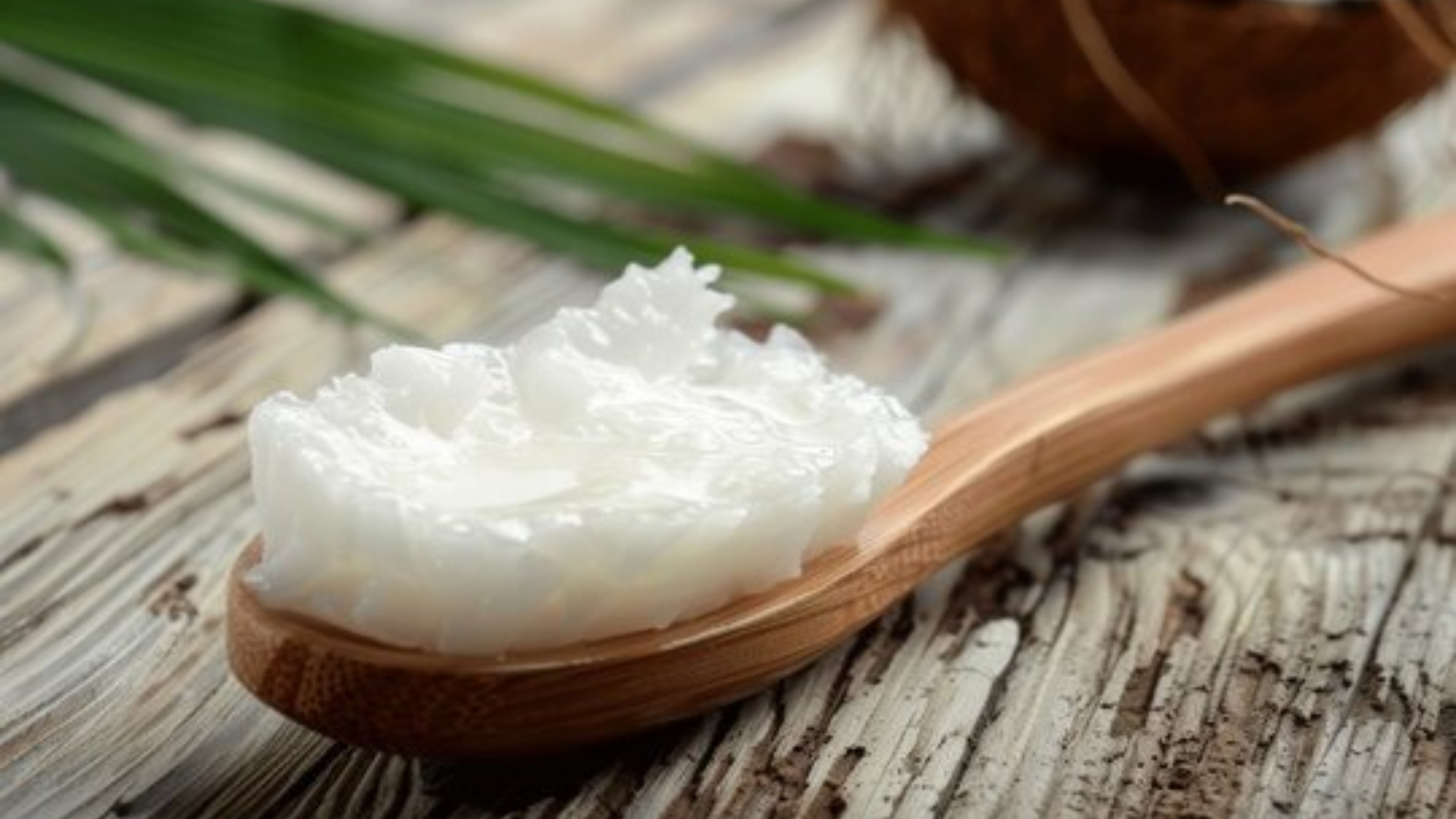
Oil pulling is an ancient oral cleansing technique that helps remove harmful bacteria, plaque, and surface stains—factors that often dull your smile.
How to Do It:
- Take 1 tablespoon of coconut oil.
- Swish gently in your mouth for 10–15 minutes.
- Do not swallow the oil; it contains toxins and bacteria.
- Spit the oil into a trash can (not the sink) to avoid pipe blockage.
- Rinse your mouth with warm water.
- Follow up by brushing your teeth as usual.
| Frequency
For best results, practice oil pulling daily, preferably in the morning before eating or brushing. |
4. Eat Crunchy Fruits and Veggies
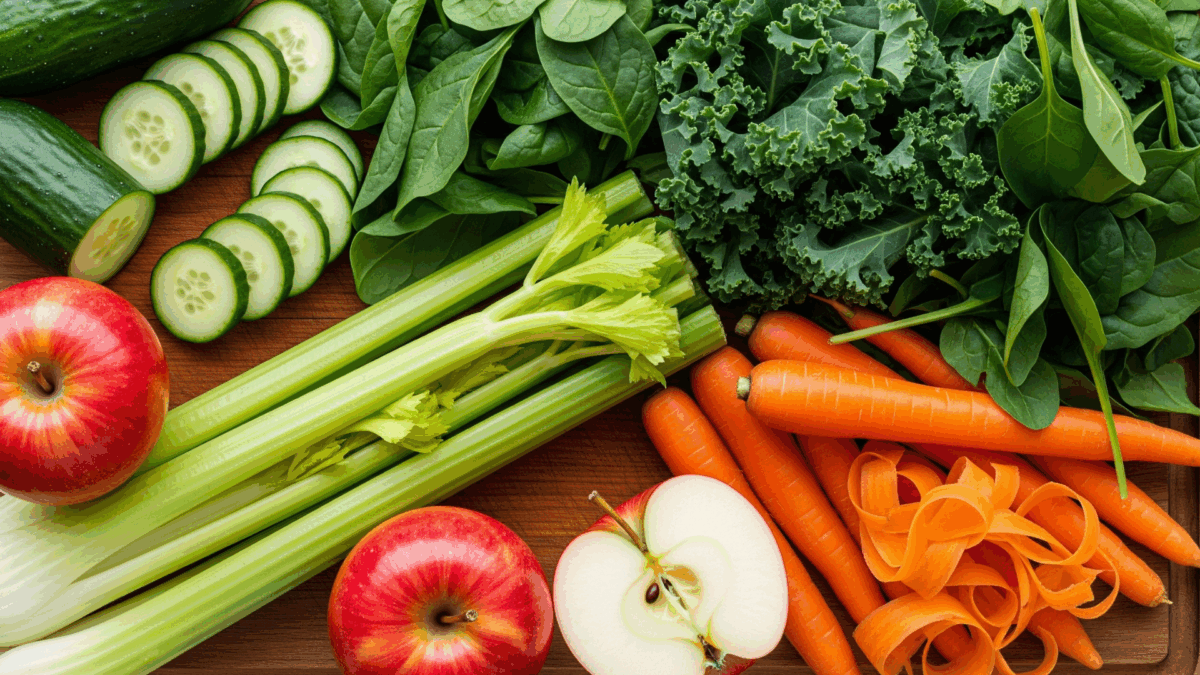
What you eat affects not just your health but also the color of your teeth. Certain crunchy fruits and vegetables work like natural toothbrushes. As you chew, their firm texture gently scrubs your teeth, helping to remove plaque and surface stains without damaging enamel.
Additionally, these foods increase saliva production. Saliva is your body’s natural defense against staining because it washes away food particles, neutralizes harmful acids, and protects enamel from erosion. This makes them a perfect addition to your safe teeth whitening habits.
Best Crunchy Foods for Teeth Whitening Benefits
| Food | Teeth Whitening Benefit |
|---|---|
| Apples | Scrubs away stains and increases saliva production |
| Carrots | Cleans the tooth surfaces and stimulates saliva |
| Celery | Acts as a natural tooth polisher and freshens breath |
| Cucumbers | Hydrates gums and helps rinse away food particles |
| Leafy Greens (Spinach, Kale) | High fiber content gently cleans tooth surfaces |
5. Limit Coffee, Tea, and Red Wine

Due to Coffee, tea, and wine’s dark pigments and acids, they could easily leave stains on the teeth.
So, if you can’t quit these, you can try:
- Use a straw to avoid direct contact with teeth.
- Rinse with water right after drinking
- Wait 30 minutes before brushing to protect and soften enamel
- Choose lighter alternatives like green tea or white wine.
These small habits can keep your smile bright.
6. Maintain Excellent Oral Hygiene
Sometimes, the simplest tip is the most effective. Brushing twice a day, flossing daily, and using a mouthwash designed to prevent stains can make a huge difference. Consistent oral care ensures plaque and debris don’t dull your smile.
7. Try Activated Charcoal (But Gently)
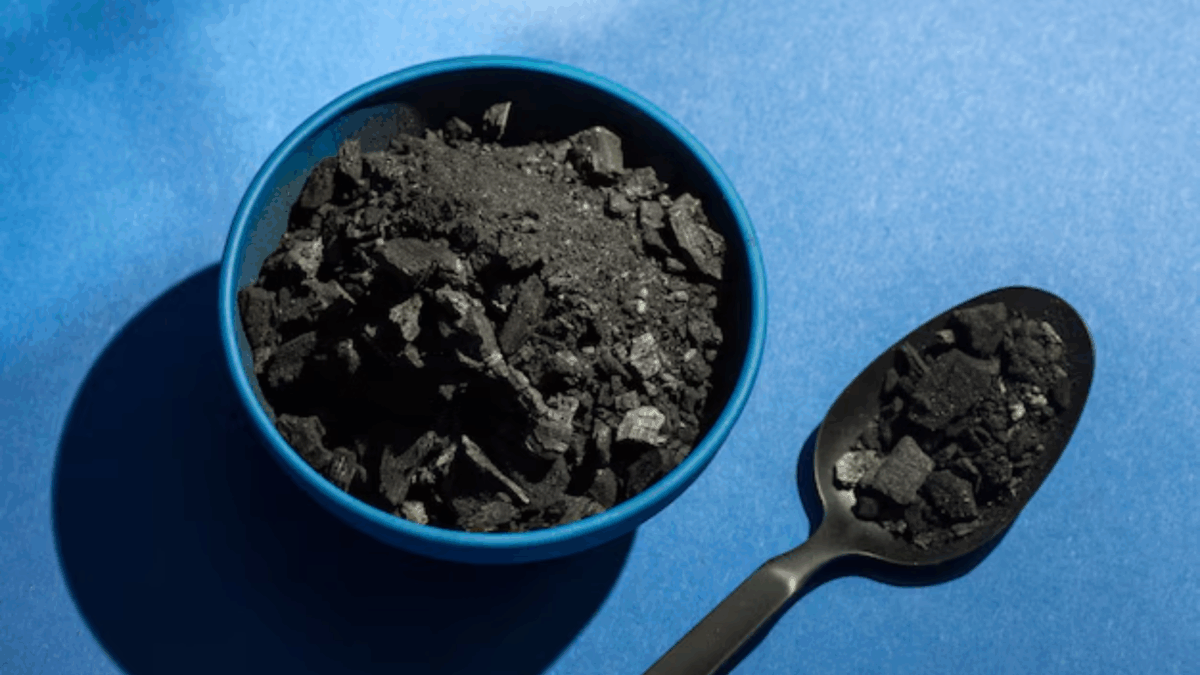
Activated charcoal is a popular natural teeth whitening option, but it must be used carefully. Although it helps remove surface stains, overuse of it can harm the enamel.
Follow these safe tips:
- Use only once a week to prevent enamel wear.
- Always brush with a soft-bristled toothbrush.
- Dab gently—do not scrub hard.
- Rinse your mouth thoroughly after use.
- Follow up with a fluoride toothpaste to strengthen enamel.
8. Use Whitening Strips Wisely
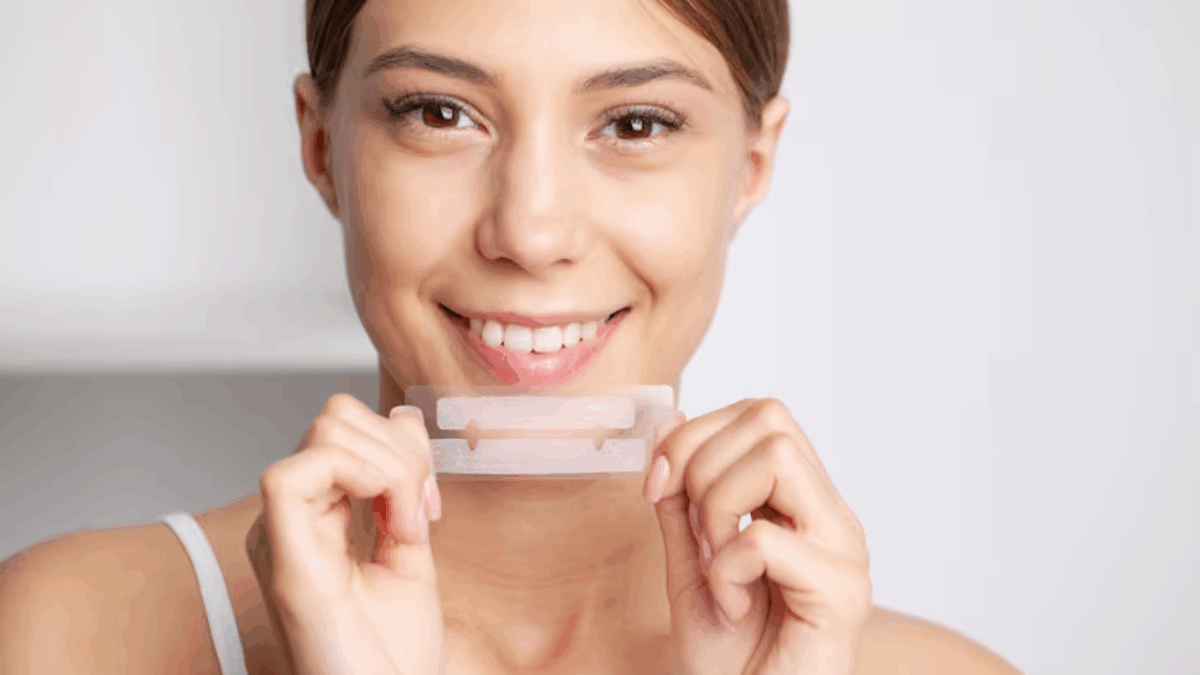
Whitening strips are among the best teeth whitening methods for fast, visible results. They work by applying a thin layer of peroxide gel to lift surface stains.
However, improper use can harm your teeth. Always follow the usage instructions to avoid tooth sensitivity and gum irritation. Overuse or leaving strips on for too long can damage enamel.
For safer results:
- Choose dentist-approved brands with lower peroxide levels.
- Use strips only as often as recommended (usually once a day for 10-14 days).
- Avoid using them if you have sensitive teeth or gum issues without consulting a dentist.
9. Quit Tobacco Products and Smoking
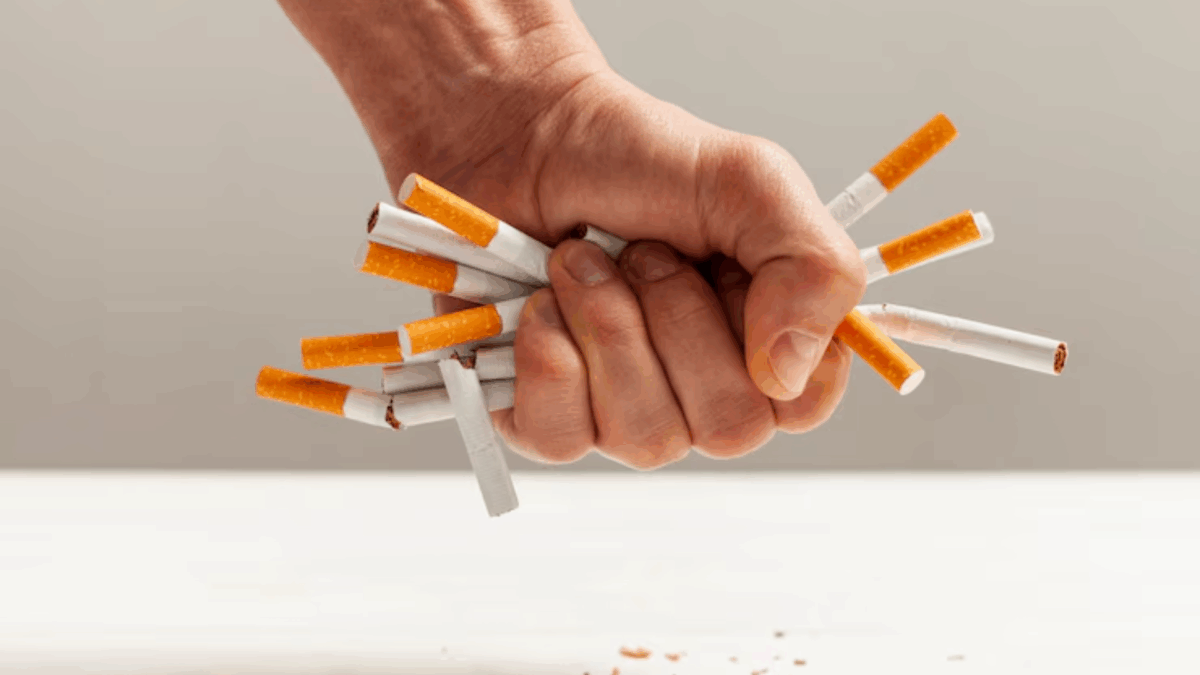
- Tobacco = Deep, stubborn stains
Nicotine and tar settle into enamel pores, turning teeth yellow and brown.
- Smoking dries your mouth
Less saliva = More stains, faster plaque buildup.
- One cigarette stains for hours
The more you smoke, the harder it is to reverse the damage.
Quitting tobacco is one of the fastest ways to stop new stains and protect your smile long-term.
10. Rinse With Apple Cider Vinegar (Occasionally)
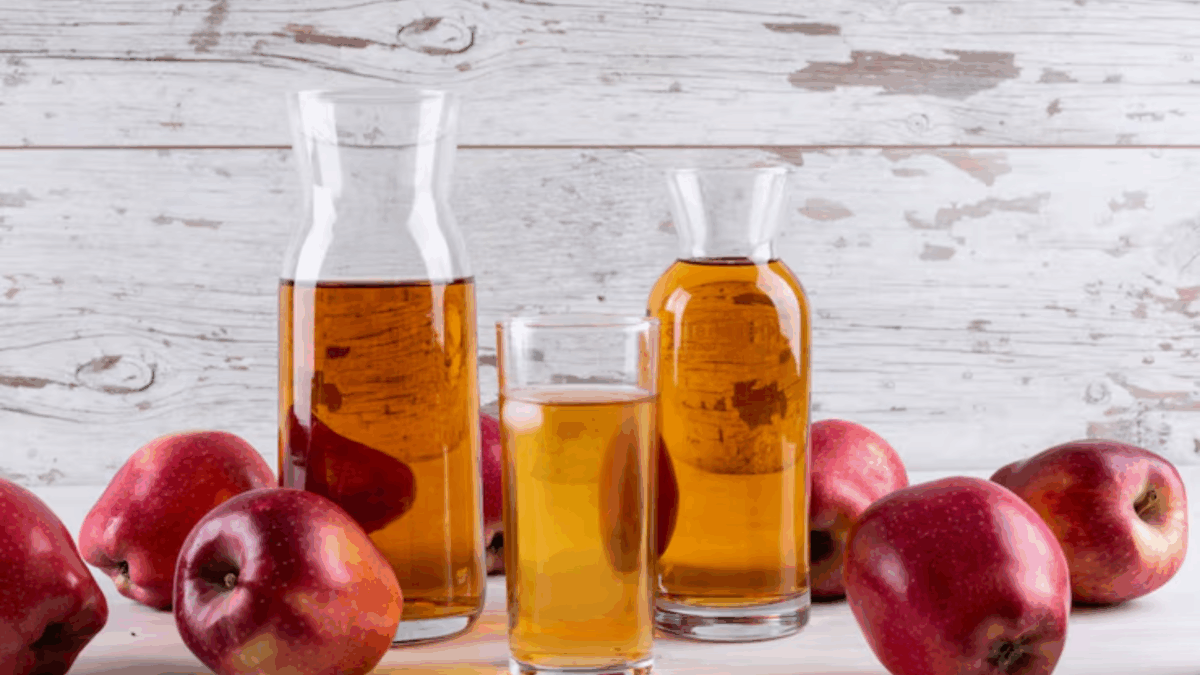
Apple cider vinegar can help reduce stains due to its mild acidity. Dilute one teaspoon in a cup of water and use it as a mouth rinse once a week. Overuse can erode enamel, so it’s important not to overdo it.
11. Use An Electric Toothbrush
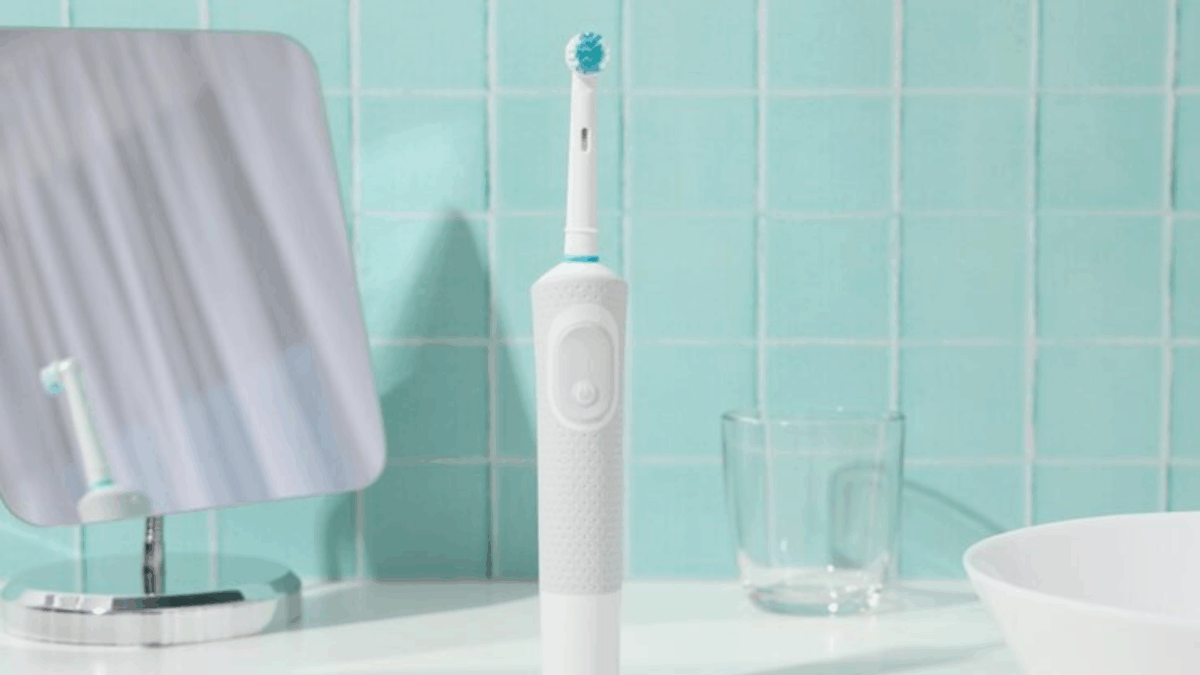
An electric toothbrush provides a more thorough cleaning than a manual one. Its oscillating movements help break down plaque and surface stains more easily. Switching to an electric brush is a smart step in your home remedies for teeth whitening routine.
12. Avoid Sugary Snacks

Sugary treats aren’t just bad for your waistline—they’re one of the main reasons your teeth lose their shine. When you eat sugary snacks, bacteria in your mouth feed on the sugar and produce acids that attack your enamel, leading to stains and decay.
Sticky sweets are even worse. Items like caramels, toffee, and peanut brittle stick to your teeth and stay longer, giving bacteria more time to cause damage.
High-Risk vs. Low-Risk Sweets for Teeth
| High-Risk (Sticky & Sugary) | Low-Risk (Less Sticky) |
|---|---|
| Caramels | Dark Chocolate (70%) |
| Toffees | Fresh Fruits (in moderation) |
| Peanut Brittle | Sugar-free gum |
13. Visit Your Dentist Every Six Months
The first factor to consider before undergoing any whitening process is a professional dental cleaning, which can eliminate hardened tartar and plaque that causes the teeth to appear brighter immediately.
Your Smile Deserves Gentle Care
Everyone loves the dazzling smile, but it’s important to approach whitening with care. With these quick teeth whitening tips, you now have safe, dentist-approved solutions that can enhance your smile without causing any damage to your dental health.
And this is what we prioritize at Robinson Associates! We believe every smile deserves the gentle care backed by expert knowledge, so we are ready to help. If you need guidance for the most effective option for your needs, don’t wait!
Schedule your consultation today and get a healthier smile that lasts a lifetime.
FAQs
1. What are the quickest teeth whitening tips that actually work?
Brushing with whitening toothpaste, using dentist-approved whitening strips, and rinsing after stain-causing food are quick teeth whitening tips that show visible results in a few weeks.
2. Are home remedies for teeth whitening safe for daily use?
Natural options like baking soda or oil pulling are effective home remedies for teeth whitening, but should be used 2-3 times a week to avoid enamel damage.
3. How to whiten teeth at home without damaging enamel?
Use gentle methods like whitening toothpaste, crunchy fruits, and oil pulling while avoiding harsh DIY bleaching kits for safe teeth whitening at home.
4. What are the best teeth whitening methods for sensitive teeth?
For sensitive teeth, consider fluoride-based toothpaste and consult your dentist about custom trays, which are among the most effective teeth whitening methods for minimizing sensitivity.
5. Do natural teeth whitening methods really remove deep stains?
Natural teeth whitening can lighten surface stains, but deep stains often require professional cleaning or dentist-approved treatments for better results.
6. When should I see a dentist for professional teeth whitening?
If home remedies and over-the-counter products aren’t giving you the desired results, then professional teeth whitening at a dentist’s clinic is the safest and most effective option.